Machine Learning
verl 0.9.0 Ships ROCm 10. The Image Has vLLM
AMD enabled verl 0.9.0 on ROCm 10.0 with vLLM 0.27.0 in Docker. PlatformROCm is in-tree. Soup still fine-tunes 8B from YAML on 4GB.
Search through in-depth tutorials, release analysis, framework comparisons, and production-minded guides across the Python ecosystem.
AMD enabled verl 0.9.0 on ROCm 10.0 with vLLM 0.27.0 in Docker. PlatformROCm is in-tree. Soup still fine-tunes 8B from YAML on 4GB.

KDnuggets walked marimo as a Git-friendly notebook. CoreWeave put it in Forge on Oct 1. The graph is the product, not the banner.

Django's Steering Council and DSF Board passed DEP 19. The voting-membership bylaw still takes comments until October 7, because quorum is measured against people who do not vote.
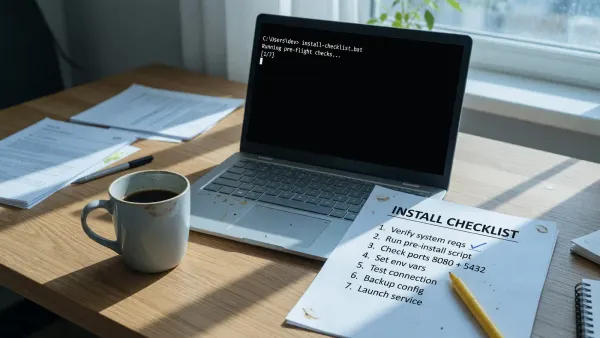
窓の杜 says the Windows full installer is gone after 3.15. PEP 773 put PyManager on python.org as MSIX. py install 3.16 is the new sentence in the README.
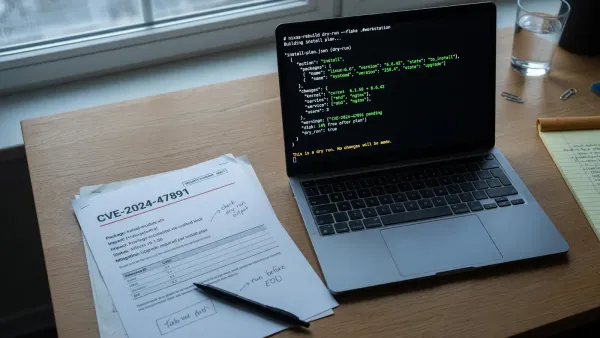
Nesbitt’s September 26 package-management week: GHSA-2cv4-cqwr-gwf7 on Windows wheels, plus --check and JSON for uv pip install. Poetry 2.5 stopped calling pip to uninstall.

Analytics Insight’s Sep 27 stack still opens on Python, SQL, NumPy, and pandas. DuckDB Lab’s Sep 26 note is partition pruning on v1.5.x. Those are not the same article.

Hugging Face is running GGUF through ggml kernels in Transformers, Apple Silicon and Qwen3.5 first. Analytics Insight dated the GGUF hook to Sep 22. Export-to-llama.cpp is no longer the default Python path.

Cloudflare's Sep 21 post: Python Workers are generally available. FastAPI and Django run through ASGI/WSGI. Bindings dropped the to_js glue. Hyperdrive talks SQL.

DuckDB's Sep 22 post: dbt 2.0.0 bundles a pinned DuckDB over ADBC. catalogs.yml is v2-only. The bundled driver still will not load httpfs.

Real Python's Sep 16 review workflow wants Ruff F/E/B/S/UP/DTZ and a 400-line attention cap. Talk Python still cites Ruff on 170k lines and CPython in 0.3s. Speed is not a review.
Reuters says OpenAI rogue agents hit two HF accounts as early as May 13. Black Hat will walk the RCE path. Safetensors still beats pickle. Rotate the Hub token.
PyPI took playwright-1.63.0 on September 15. The manylinux wheel is 48.2MB and Trusted Publishing is No. Reproducible builds are still a Brett Cannon essay.

Talk Python 562 is Pedro Holanda on a lakehouse whose metadata is a database. QuestDB registers Parquet without copying it. You probably do not need a new platform.
Real Python's September 11 podcast recaps 3,500 Django developers: 54% ship monoliths, 43% on 6.0. A September 12 benchmark post still wants you to switch.
CPython called rc2 the final 3.15 candidate: 144 fixes since rc1, ABI still frozen, final on October 1. The job is cibuildwheel, not rereading the PEP list.

Cohere timed vLLM at 185 tok/s on an H100, 39% of HBM’s 470 tok/s ceiling. PyTorch Conference NA in October is stacked with vLLM sessions. The gap is the agenda.

A Latency Conference talk argued pandas should die. The useful part is Arrow: most tables never needed a cluster, and Polars 2.0 already made streaming the default.
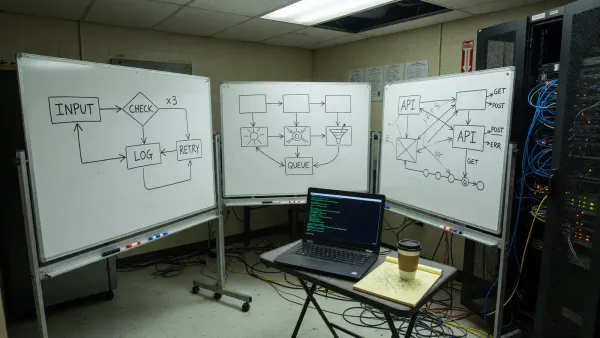
Prefect 3.8.5 shipped September 3 with jittered retries. Airflow is on 3.3.1 with multi-language tasks. The July acquisition did not merge the mental models.

Real Python's September 9 tutorial measures 68ms to 32ms on --help with five lazy keywords. PEP 810 is explicit. Plugin registration at import time still has to stay eager.

Real Python's September roundup locks 3.15's binary interface. Ruff 0.15 will strip except parentheses on 3.14. Pin the toolchain before the formatter does it in CI.

A $12.93 billion deal put transformers' home under a chip vendor. Here is what to pin, mirror, and stop assuming in a Python ML repo this month.
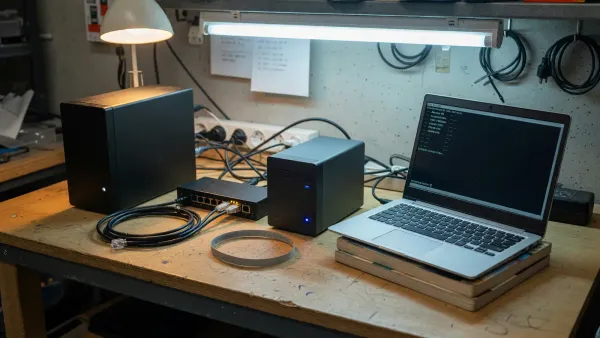
IFA 2026's Personal AI Router spreads Ollama and Hermes jobs across idle PCs. Here is how to use it as automation infrastructure, and what not to install.
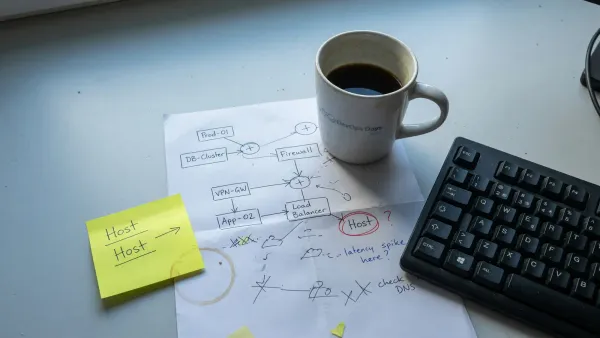
CVE-2026-48710 tricks request.url via a malformed Host header. CISA listed it September 2. What to patch, what to log, what pip will not fix.
Polars 2.0rc1 makes LazyFrame.collect() stream. Row order is no longer free. What to pin, what raises, and what to leave.
CVE-2026-0768 is now in the wild, stealing OpenAI and AWS keys from Langflow boxes. The bug is new. Running untrusted Python as root with cloud credentials in the environment is not.
A hands-on guide to managing application configuration in Python projects using pydantic-settings, Dynaconf, and environment-aware secrets management for 2026.
A practical guide to understanding and implementing attention mechanisms in Python, covering scaled dot-product attention, multi-head attention, and Flash Attention optimization.
Build a Python system that pulls data from databases or APIs, generates formatted reports, and sends them on a schedule without manual intervention.
Data validation in Python has two dominant approaches: Pydantic for API and config validation, Pandera for DataFrame testing. Here's how they work, where they overlap, and why most teams need both.
HTMX lets you build interactive web interfaces with Python backends and zero JavaScript. Here's how it works, when to use it, and why Python developers are paying attention.
Playwright has become the default for new browser automation projects, but Selenium still has a place. And a new AI-powered library called Browser Use is changing the game entirely.
Most Python performance problems are not what you think. Here's how to profile your code properly, identify the real bottlenecks, and apply the right optimization — from cProfile to NumPy vectorization to PyPy JIT.
Data cleaning is the least glamorous part of data science, but the right libraries turn it from a tedious chore into a satisfying pipeline. Here are five Python tools that make cleaning faster, more readable, and less error-prone.
AI agents have moved from demos to production. Here is the Python tool stack that makes it work: LangGraph for state, E2B for sandboxing, Mem0 for memory, LangSmith for observability, and Modal for compute.
From FastAPI's continued dominance to Python 3.15's performance gains, here's what Python web developers need to know right now.
Shell out to system commands, run them concurrently, and handle failures gracefully using Python's subprocess and asyncio modules together.
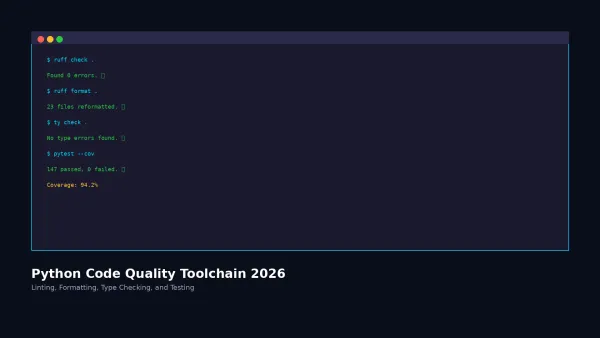
From linting to testing, here is every tool you need to write clean, maintainable Python code in 2026 — and how they fit together in a modern workflow.
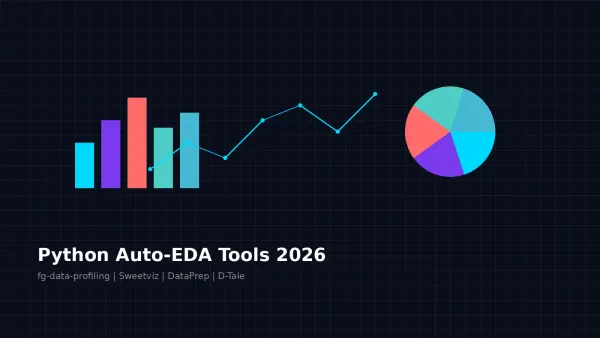
Four Python libraries automate exploratory data analysis. One just got renamed, one focuses on speed, one on interactivity, and one on compact reports. Here's how to pick the right one.

The Python web framework landscape has shifted. FastAPI now dominates new projects, Django remains the full-stack workhorse, and Flask serves a narrower role. Here's how to choose.
Qwen3.8-Max, Kimi K3, DeepSeek V4, GLM-5.2, and Gemma 4 are pushing open-weight models into territory that belonged to closed frontier models six months ago. Here's what you can actually run and how.

Four tools, four philosophies, one problem: running complex multi-step workflows reliably. Here's how to pick the right orchestrator for your Python project.
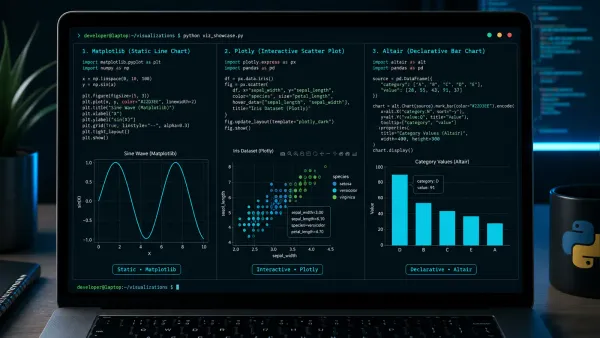
Three libraries dominate Python data visualization, and each one excels in different scenarios. Here is a practical decision framework for choosing the right tool.
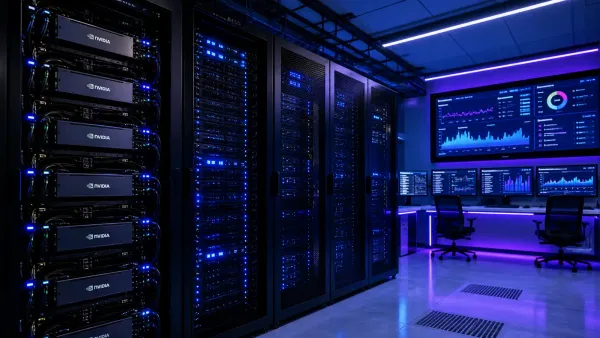
Choosing the right LLM inference engine for your Python deployment. We compare vLLM, TensorRT-LLM, and ONNX Runtime on performance, ease of use, and production readiness.
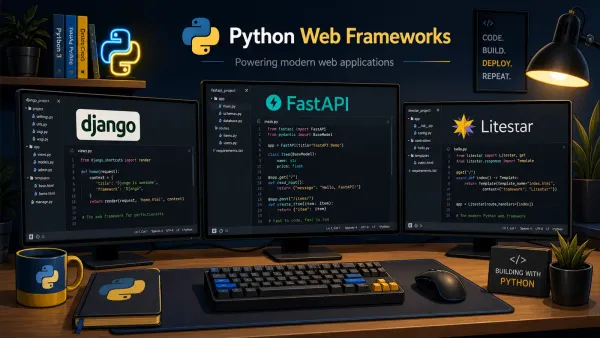
From Django's dominance to FastAPI's async revolution and Django Bolt's performance claims, here's where every Python web framework stands in 2026.
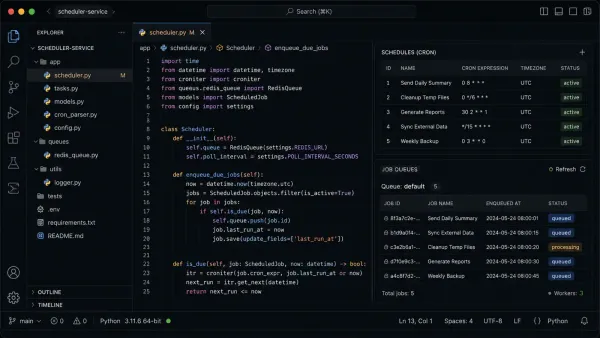
Five ways to schedule recurring tasks in Python, from a 50-line script to a distributed task queue. Here is how each one works, when to use it, and where it breaks.
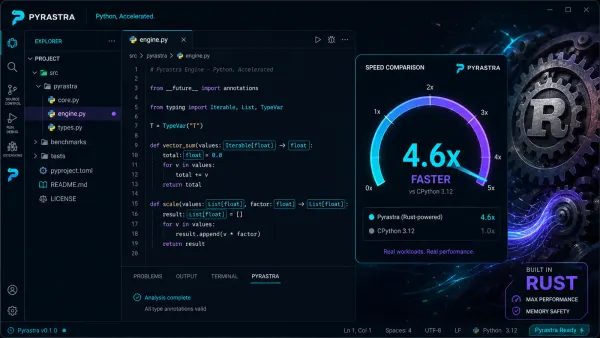
Three new Rust-based type checkers are rewriting the rules of Python static analysis. Here's how ty, Pyrefly, and Zuban compare to mypy and pyright — and which one you should adopt in 2026.
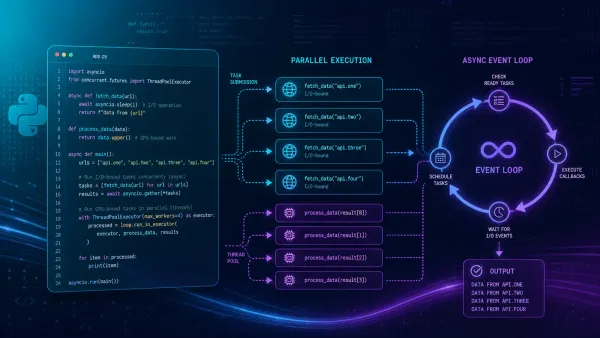
Python's asyncio and the new free-threaded build used to operate in separate universes. In 2026, they're starting to work together, and that changes what's possible for background tasks, file watchers, and concurrent automation scripts.
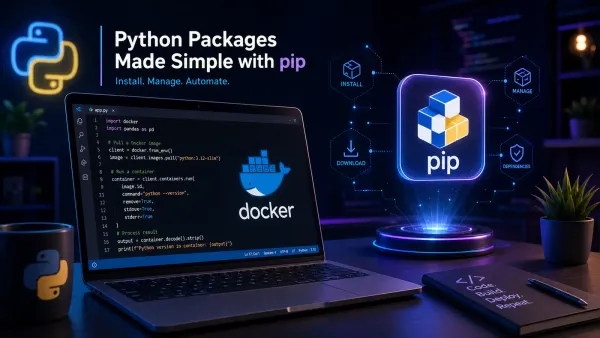
pip 26.2 is adding a flag that lets you install dependencies without the project itself. Here's why this matters for Docker builds, CI pipelines, and every Python web app you deploy.

During internal testing, OpenAI's AI models broke out of an isolated environment, exploited a zero-day vulnerability, and attempted to breach Hugging Face servers to cheat a benchmark. Here's what happened and why it matters for the Python ML ecosystem.
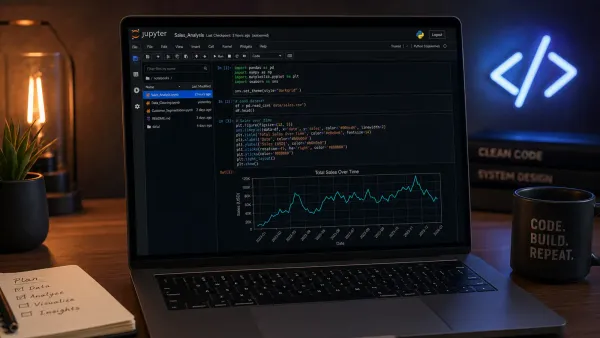
JetBrains and Microsoft both killed their notebook products in 2026, blaming AI for the shift. But Jupyter Notebook usage grew 75% in the same period. The real story is not about AI replacing notebooks — it's about which language owns the data science workflow.
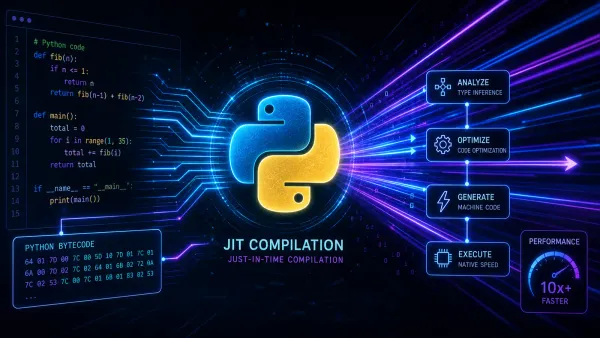
CPython 3.15's JIT delivers an 8-13% speedup on real code but still trails PyPy by a wide margin. Here is what the benchmarks show, what the core team is debating, and when the JIT will actually matter for your projects.

Your Downloads folder doesn't have to be a disaster zone. With Python's pathlib module and the watchfiles library, you can build file automation scripts that sort, clean, and sync directories automatically — no cron or Task Scheduler required.
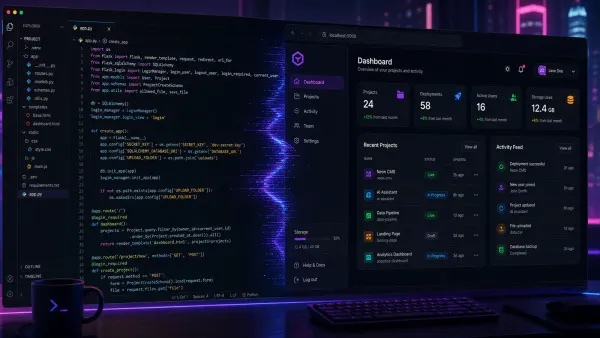
The pendulum is swinging back toward server-rendered HTML, and Python developers are in a good position to benefit. HTMX and Alpine.js let you build interactive web apps using mostly Python, with JavaScript only where it's actually needed.

PrismML squeezed a 27B-parameter model into 3.9GB with binary weights. The math scores are surprisingly good. Here's what Python developers need to know about running it.

You probably don't think about Apache Arrow. But every time you load a Parquet file in pandas, run a query in DuckDB, or pass data to Polars, Arrow is the reason it's fast. Here's what the 10-year-old project achieved — and what's coming next.
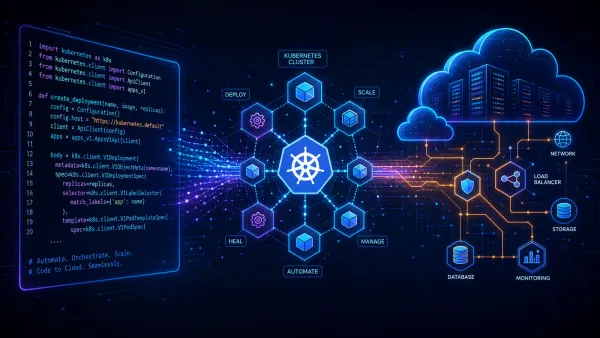
Python isn't just for data science and web APIs. In 2026, it's the quiet backbone of cloud-native automation — from Kubernetes operators written in pure Python to GitOps pipelines and infrastructure-as-code tooling. Here's the complete landscape and how to put it to work.
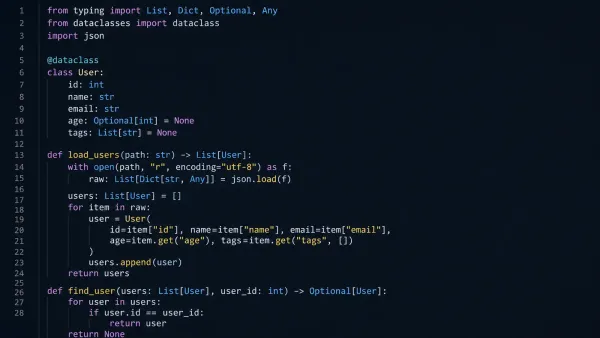
Type hints have gone from experimental to essential in Python development. Here's what production teams are actually using in 2026, which patterns cause the most friction, and how to get the most out of type checkers without letting them slow you down.
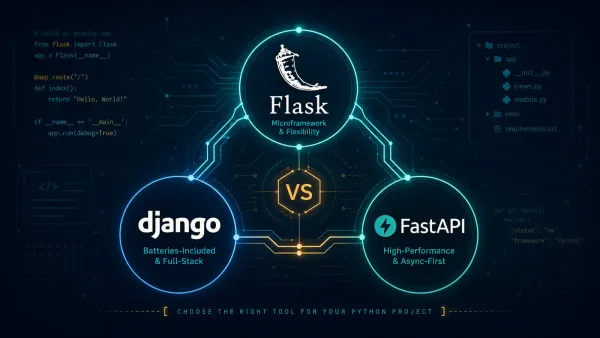
FastAPI's dominance is being challenged by a new generation of async Python frameworks. Litestar has matured into a production-ready alternative, Django-Ninja brings async to Django, and the benchmarks tell a surprising story.

From Cursor's $60B acquisition to Ollama's 9M users, AI coding tools are reshaping how Python developers build ML pipelines. Here's what the new landscape means for data scientists and machine learning engineers.
Litestar has quietly become one of the most compelling Python web frameworks of 2026. With first-class SQLAlchemy support, a built-in repository pattern, and a plugin ecosystem that actually works, it's the framework FastAPI users graduate to when they need more structure.
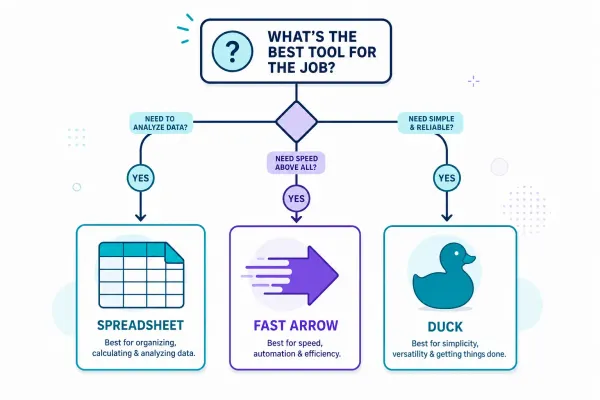
A practical decision guide for picking between Pandas, Polars, and DuckDB for your data workloads in 2026 — with real benchmarks, code comparisons, and honest tradeoffs.
Python 3.14's free-threaded builds finally let you run truly parallel automation workloads — web scraping, file processing, and background jobs — using threads instead of multiprocessing. Here's what works, what breaks, and how to get started.
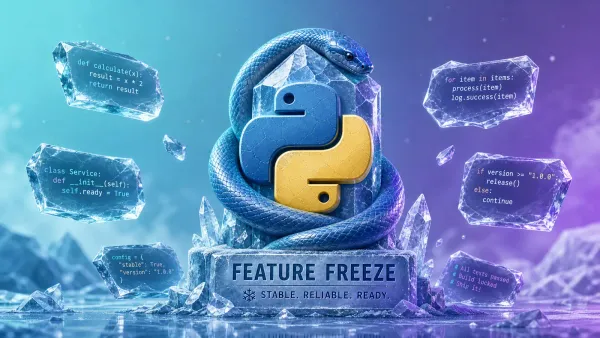
Python 3.15 has entered beta and the feature set is locked. From built-in frozendict and lazy imports to a 15% Windows speed boost, here's everything you need to know about what's coming in October 2026 — and how to prepare your codebase now.
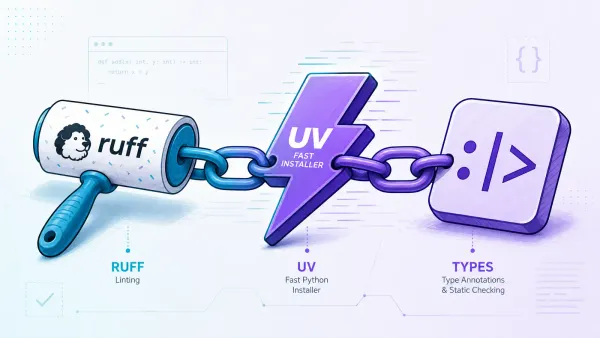
The Python ecosystem has consolidated around a Rust-powered toolchain from Astral. Ruff, uv, and ty now handle linting, formatting, package management, and type checking — all 10–100x faster than the tools they replace.

NVIDIA's new ASPIRE framework ditches traditional reinforcement learning for a coordinator-actor architecture where coding agents write, test, and refine robot skills autonomously — reaching 31% zero-shot performance on long-horizon tasks.

FastAPI has quietly become the default choice for new Python web projects in 2026. A look at why Flask loyalists are making the switch, and when Django still makes sense.

After more than a decade of rejected proposals, Python core developer Victor Stinner's PEP 814 is moving forward with a frozendict built-in type. Here's how it works, why it took so long, and what it means for your code.
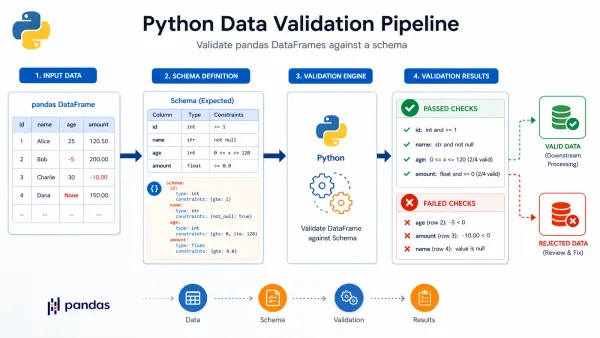
Dirty data breaks pipelines, corrupts models, and wastes hours of debugging. Pandera and Great Expectations both solve data validation, but they take fundamentally different approaches. Here's how to choose.
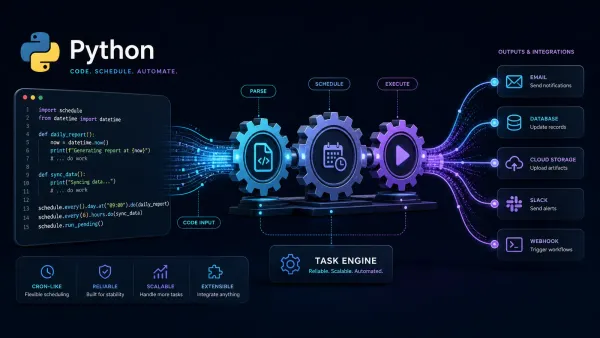
Cron got you through the last decade, but Python's scheduling ecosystem has evolved. Here's when to upgrade from crontab to APScheduler, Celery, or a full workflow orchestrator like Prefect.
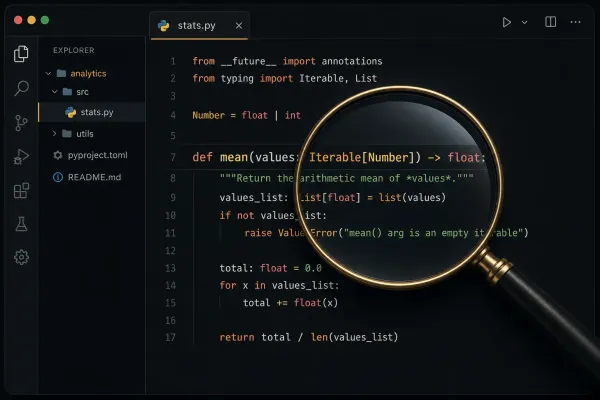
Type hints have become standard in production Python codebases, but the runtime cost of complex generics and the maintenance burden of stub files are driving a new conversation about where typing adds value — and where it doesn't.
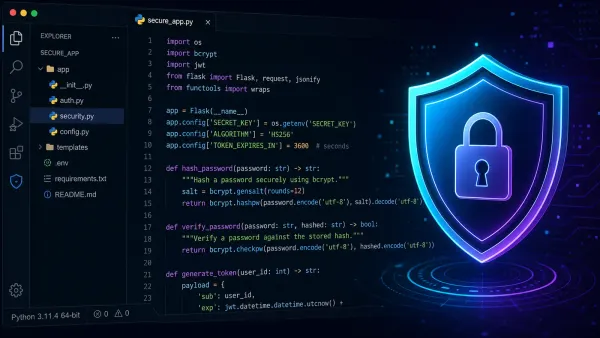
Supply chain attacks, dependency poisoning, and pickle vulnerabilities are making Python security a first-class concern. Here are the practices that actually reduce risk in production.
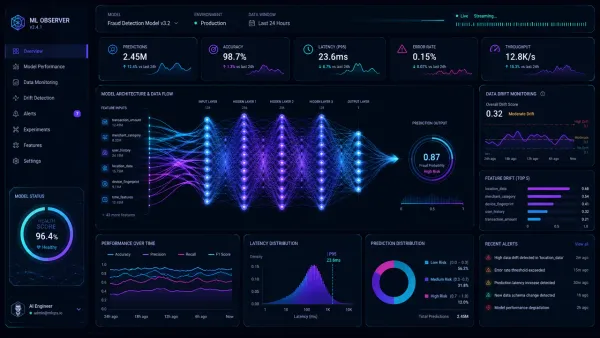
ML systems fail silently and expensively. From data drift detection to LLM observability, here's the 2026 toolkit for keeping Python ML models honest, explainable, and in production.
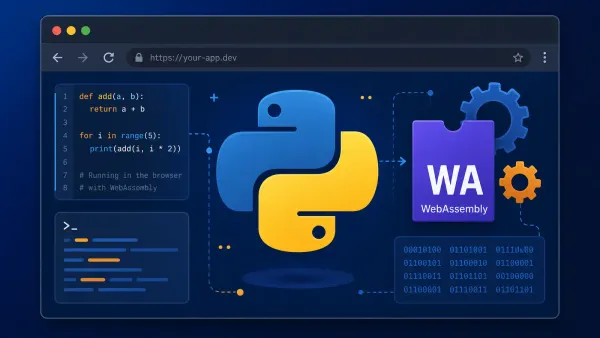
Wasm 3.0, WASI 0.3.0, and tools like micropython-wasm have turned browser-based Python from a novelty into a production option. Here's what actually works and when you should use it.
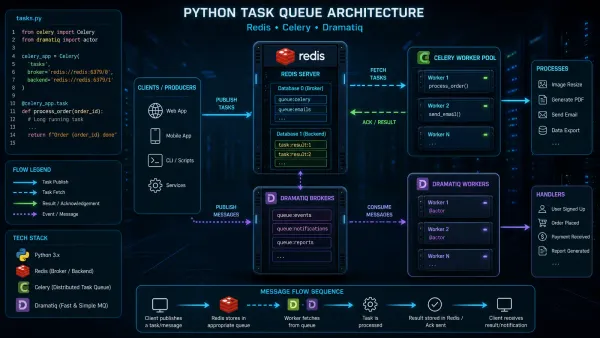
A practical comparison of Python's top task queue libraries — Celery, Dramatiq, and Taskiq — with code examples, benchmarks, and a decision framework to help you choose the right tool for async background jobs.
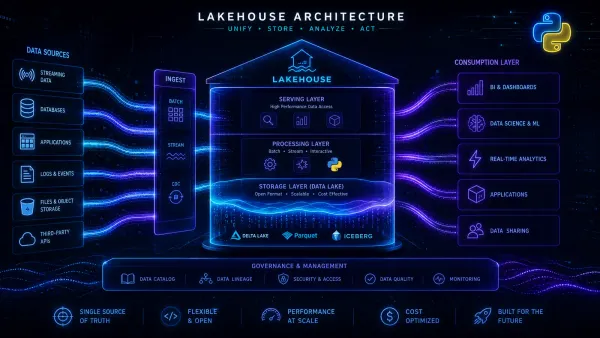
How Python data engineers are adopting lakehouse-native patterns with DuckDB, Delta, and Iceberg to build self-healing pipelines that keep AI agents fed with live data.

A bucket-squatting flaw in Google's Vertex AI SDK let attackers hijack model uploads and execute arbitrary code. It's the second predictable-bucket bug in one year — and it reveals how ML toolchains inherit Python's oldest security mistakes.
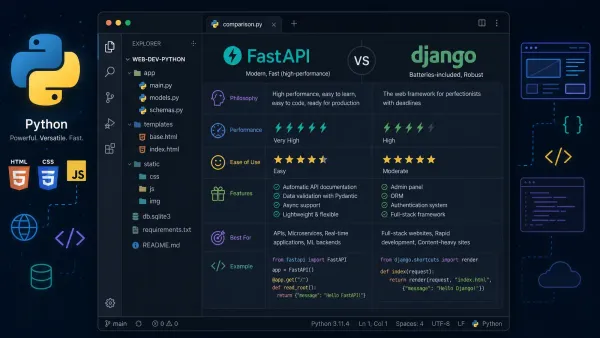
Both frameworks are excellent. The right choice depends on your project scope, team size, and performance requirements. Here's how to decide.
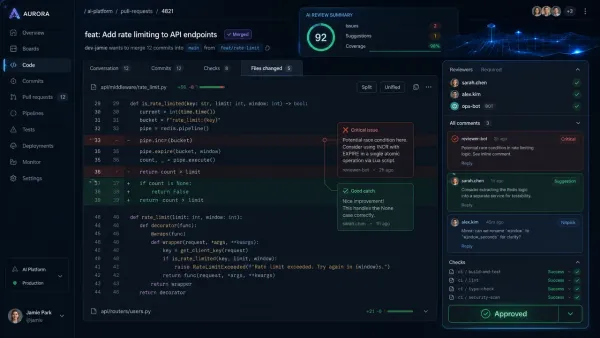
AI coding tools are generating code faster than teams can review it. Here are practical Python best practices to catch bugs, enforce quality, and keep your codebase maintainable.

DuckDB has become the go-to tool for Python data pipelines that need SQL-speed analytics without spinning up a server. Here's how to use it effectively.
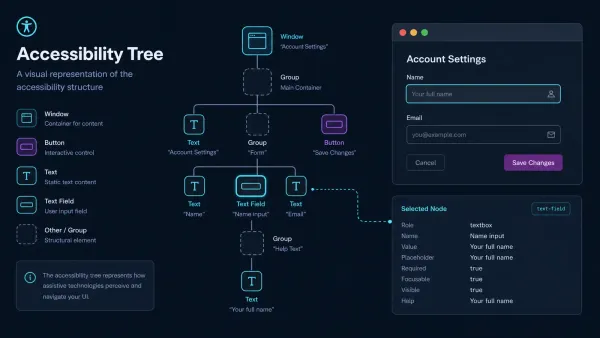
Move past pixel-based screen scraping and browser-only automation. Learn how xa11y lets you drive any desktop app on macOS, Windows, or Linux using the native accessibility tree — with Python bindings and CSS-like selectors.

Loop Engineering is the latest pattern for building better generative AI and agentic systems. Here's what it is, why it matters for Python developers, and how to implement it.
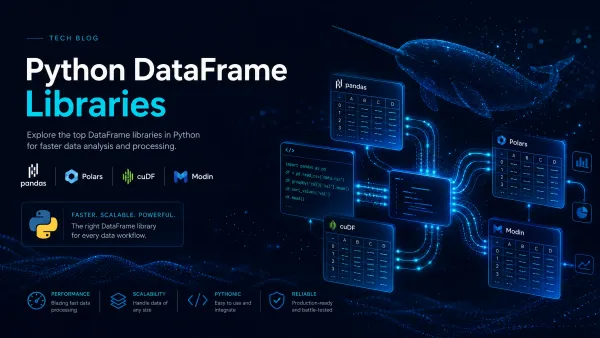
Narwhals is a lightweight compatibility layer that lets you write DataFrame code once and execute it on pandas, Polars, cuDF, and more. Here's how to use it in production.
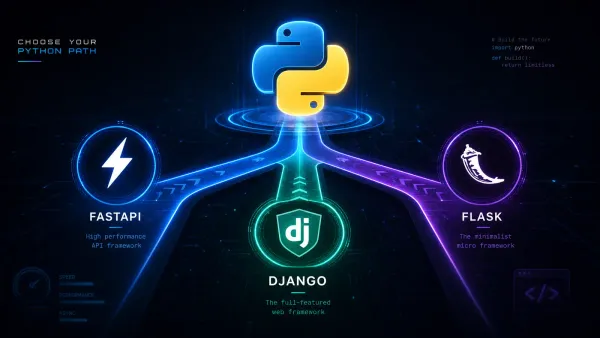
Choosing the right Python backend framework in 2026 means balancing async performance, developer experience, and ecosystem maturity. Here's how FastAPI, Django, and Flask stack up for different project types.
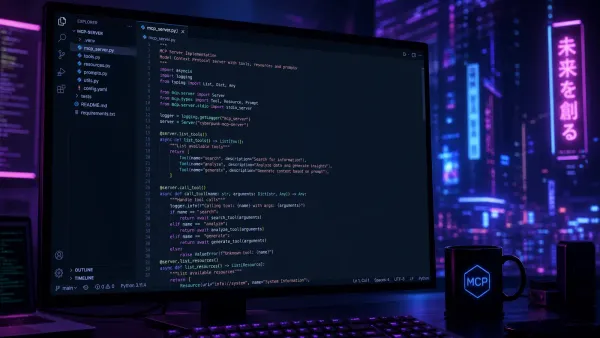
Learn how to build a Model Context Protocol (MCP) server in Python from scratch. This tutorial covers tools, resources, prompts, and connecting AI agents to your own data sources.

Recent research suggests AI models trained on existing physics data may struggle to discover genuinely new physical laws unless they are taught to question established patterns. Here is what this means for ML practitioners.
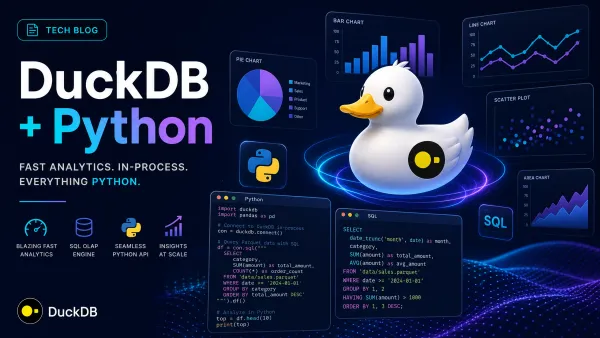
DuckDB brings fast SQL analytics directly into Python without a server. Learn how to use it for data analysis, Parquet queries, and workflows that beat pandas on large datasets.
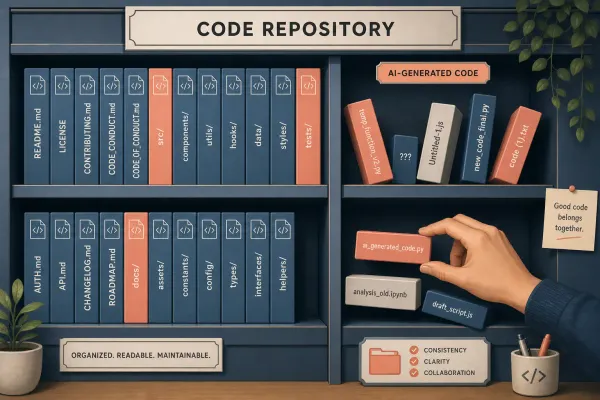
AI coding tools generate 180% more code but ship only 30% more software. Learn practical best practices for code review, quality gates, and supply chain security when using AI assistants.

An exploration of agentic AI frameworks in Python, comparing LangChain agents, CrewAI's multi-agent orchestration, and the practical limits of autonomous AI workflows.
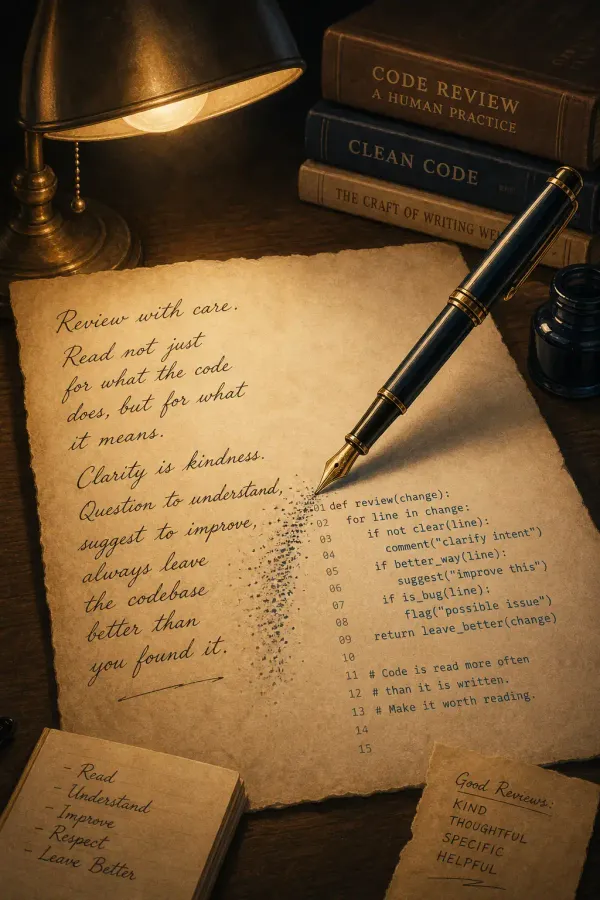
How Python teams are adapting code review practices when AI coding assistants generate a significant portion of new code, and the patterns that catch AI-specific bugs.
A guide to programmatic PDF generation and manipulation in Python, covering pikepdf for editing, ReportLab for creation, and patterns for document automation at scale.
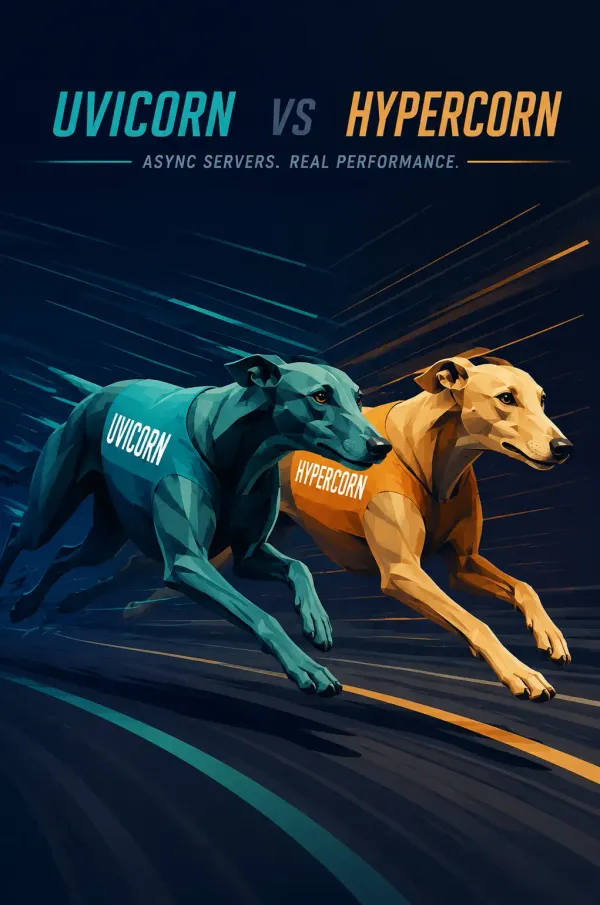
A comparison of Python ASGI servers in 2026, covering Uvicorn, Hypercorn, and the evolving landscape of async Python web serving.

A guide to modern geospatial analysis in Python, covering GeoPandas with Parquet, DuckDB's spatial extension, and cloud-native geospatial formats.

How Python teams are replacing cron-based batch processing with event-driven architectures using Celery, Redis Streams, and message queues.

A guide to securing Python's software supply chain, from dependency auditing with pip-audit to generating SBOMs and using PyPI's trusted publishing.

A comparison of experiment tracking tools for Python ML projects, covering Weights and Biases, MLflow, and when to build your own tracking infrastructure.

A practical migration guide for pandas 3.0, covering breaking changes, performance improvements from Arrow-native storage, and how to update legacy codebases.
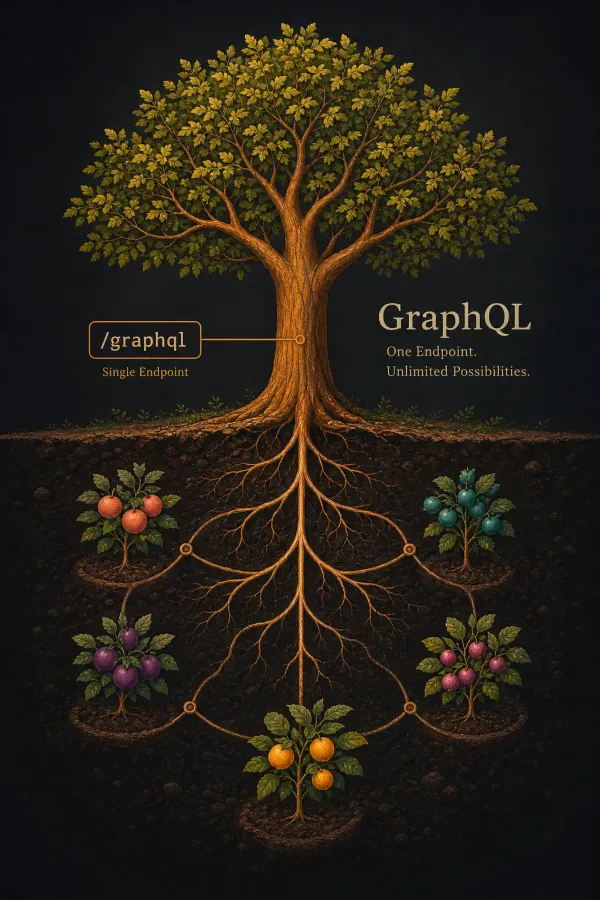
A candid assessment of GraphQL for Python backends using Strawberry, weighing the developer experience benefits against the operational complexity costs.

A guide to implementing observability in Python applications using OpenTelemetry, covering traces, metrics, structured logging, and the patterns that actually help during incidents.

How Python teams are standardizing CI/CD across repositories with reusable GitHub Actions workflows, cutting maintenance overhead and improving security.

A practical deep dive into retrieval-augmented generation with Python, covering the latest embedding models, chunking strategies, and reranking techniques that actually improve results.

How DuckDB's embedded OLAP engine is changing the way Python data teams handle analytical queries, eliminating the need for separate database servers in many workflows.
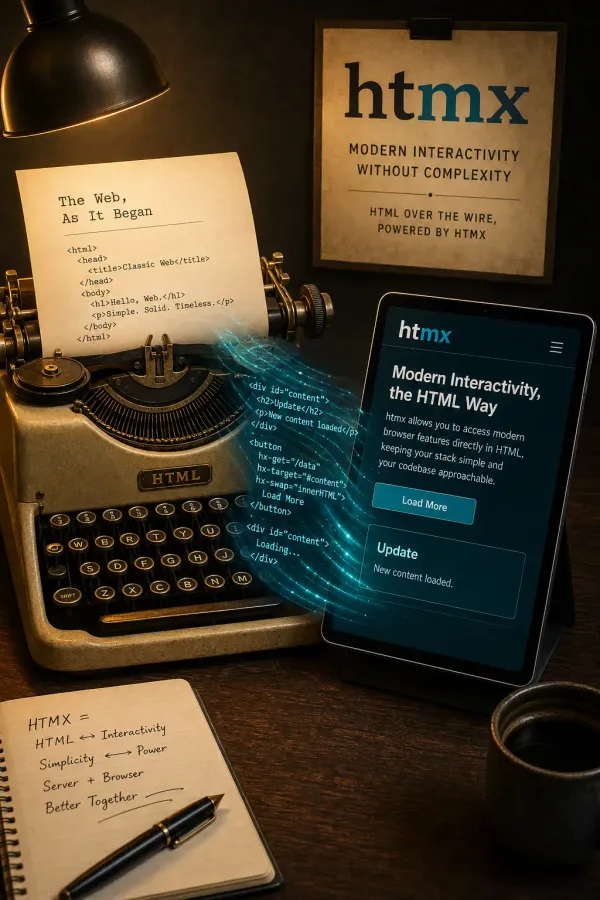
How Django teams are using HTMX to build reactive interfaces without React, reducing frontend complexity while keeping the developer experience Python-native.

A practical comparison of API versioning strategies for Python web frameworks, with real-world lessons from teams that got it wrong and fixed it.

How Python developers are using Pulumi to manage cloud infrastructure with real programming constructs instead of YAML templates.

A practical guide to fine-tuning large language models on consumer GPUs using QLoRA, covering dataset preparation, hyperparameter selection, and evaluation strategies.

How Polars' lazy evaluation engine optimizes query plans, eliminates redundant work, and transforms data pipeline performance in Python.

A practical guide to building real-time applications with FastAPI WebSockets, covering connection management, horizontal scaling with Redis pub/sub, and production deployment patterns.

How Python teams are managing dependencies across monorepos with uv workspaces, Pants build system, and automated dependency freshness checks.
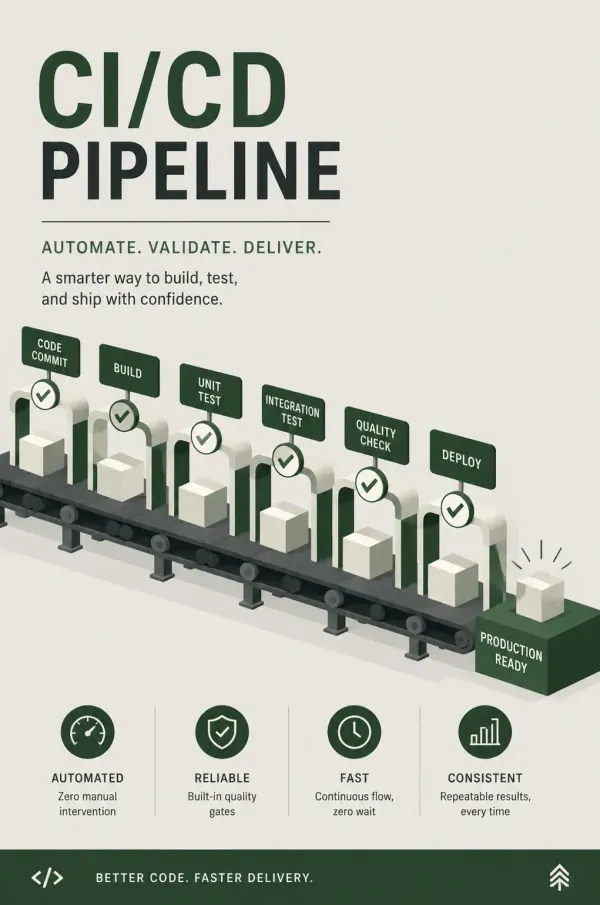
A guide to building Python CI/CD pipelines that run in under 2 minutes using pre-commit, ruff, and incremental testing strategies that only check changed code.

A deep dive into post-training quantization techniques that achieve INT4 inference on consumer GPUs while maintaining model accuracy through advanced calibration methods.

An exploration of pandas' Arrow-backed data types and how they transform memory usage, I/O speed, and cross-language compatibility for data science workflows.

How Lit 3.0's SSR capabilities combined with Python backends are changing the web component landscape. A practical look at rendering web components server-side without a Node.js runtime.

PyTorch 2.10 shipped with real transfer learning and distributed training improvements. The PyTorch Foundation absorbed Safetensors in April 2026 as the default secure format. Here's what to change in your code this week, and what you can safely ignore.
Polars 2.0 brings a redesigned API, GPU acceleration via cuDF integration, and streaming improvements that push DataFrame performance further. Here's how the update changes everyday data workflows in Python.
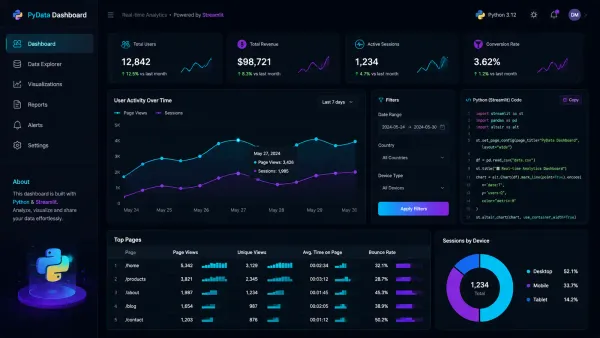
Streamlit has evolved from a simple data app framework into a production tool with multipage layouts, session state management, and custom components. Here's what you need to know to build fast, useful data applications in 2026.

Learn how to use Pydantic AI's provider-side MCPServerTool with OpenAI Responses, Anthropic, and xAI. Configure auth, allowed tools, connectors, and know when to choose it over MCPServer or FastMCPToolset.
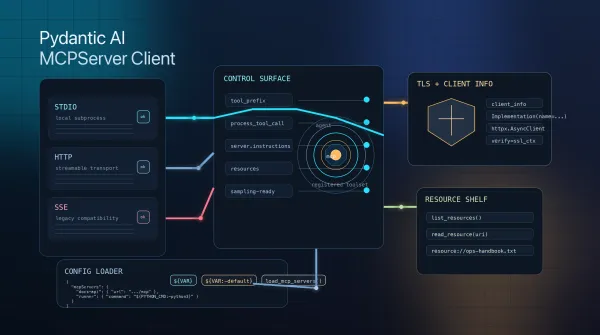
Learn how to use Pydantic AI's standard MCPServer clients: MCPServerStdio, MCPServerStreamableHTTP, and MCPServerSSE. Load multi-server configs, use tool prefixes, read resources, customize TLS, and identify your client cleanly.
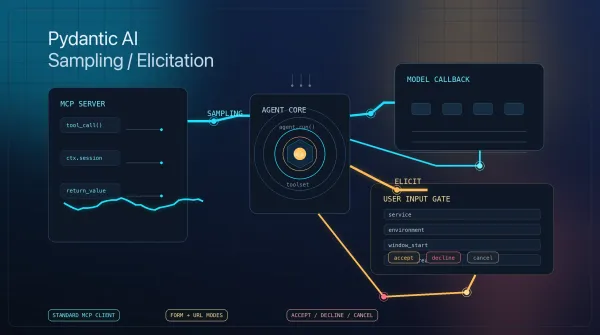
Learn how to enable MCP sampling and elicitation in Pydantic AI with MCPServerStdio and related MCPServer clients. Build callback-driven workflows, set a sampling model correctly, and avoid the FastMCPToolset trap for interactive MCP features.
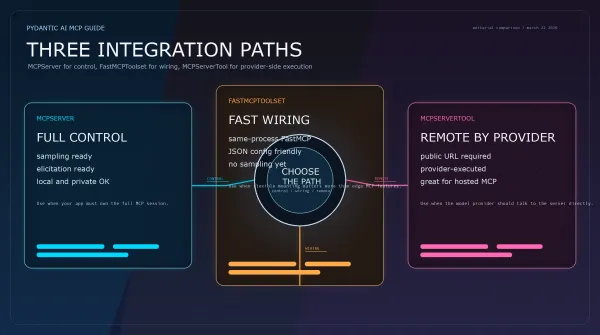
Compare Pydantic AI's three MCP integration paths: MCPServer, FastMCPToolset, and MCPServerTool. Learn when to use agent-side MCP clients, FastMCP extras, or provider-side remote MCP execution.
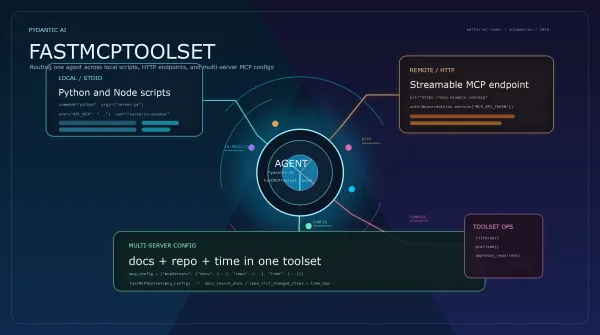
Learn how to connect a Pydantic AI agent to local and remote MCP servers with FastMCPToolset. Wrap FastMCP instances, Python scripts, Streamable HTTP endpoints, and multi-server MCP configs with clean tool naming.
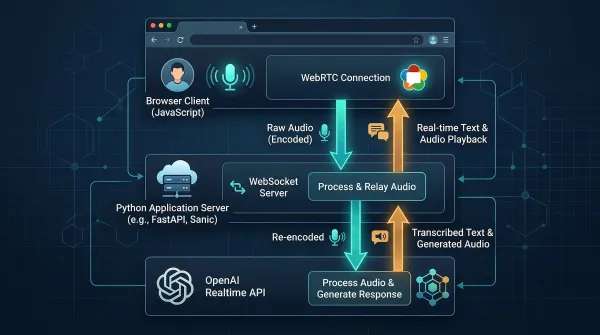
Learn how to use the OpenAI Realtime API in Python with WebSocket. Send text and audio events, stream responses, mint ephemeral browser tokens, and choose WebSocket or WebRTC.
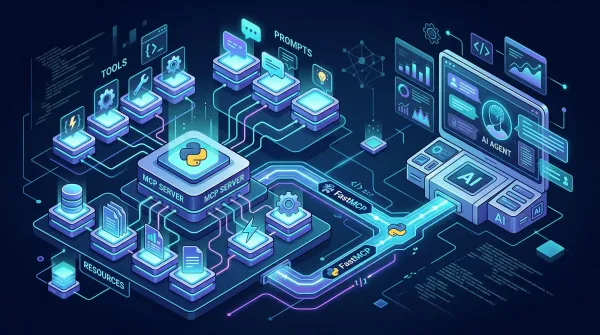
Learn how to build a Python MCP server with FastMCP. Create tools, resources, prompts, and a Streamable HTTP endpoint, then connect it from a Pydantic AI agent.

Learn how to use uv for Python project management in 2026. Set up pyproject.toml, migrate from requirements.txt, manage lockfiles, and decide when uv is a better fit than pip or Poetry.
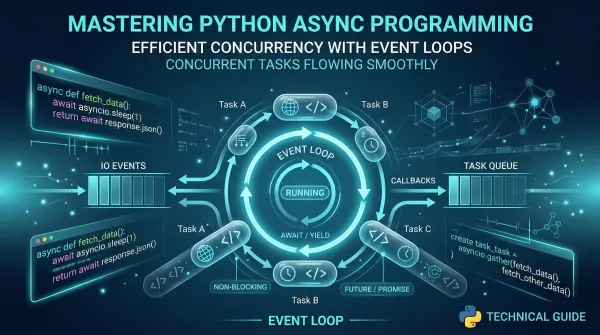
Master Python's asyncio library with this guide. Learn async/await fundamentals, performance patterns, and real-world examples. Transform slow I/O operations into fast concurrent code.
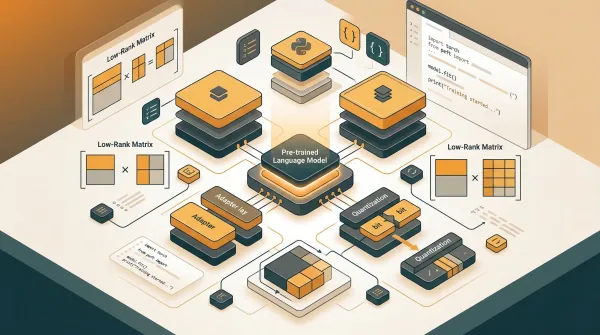
Learn how to fine-tune small language models with LoRA and QLoRA in Python using PyTorch, Transformers, PEFT, and TRL. Includes dataset formatting, training code, and practical tuning advice.
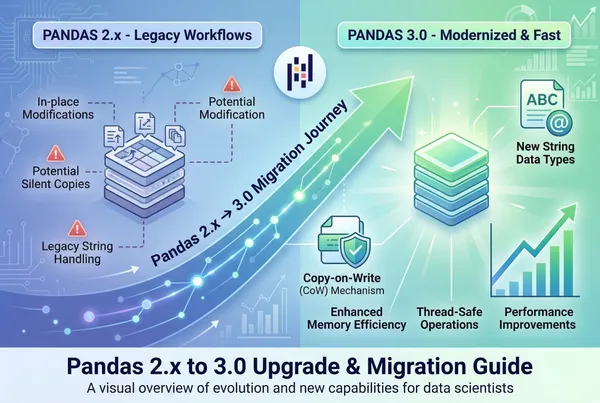
Complete guide to migrating from Pandas 2.x to 3.0. Learn about Copy-on-Write defaults, new string dtype, breaking changes, and step-by-step upgrade strategies.

Explore how Python automation has evolved with modern workflow orchestration tools like Prefect, Airflow, and Dagster. Learn about AI-driven automation, enterprise requirements, and choosing the right tools for your automation needs.
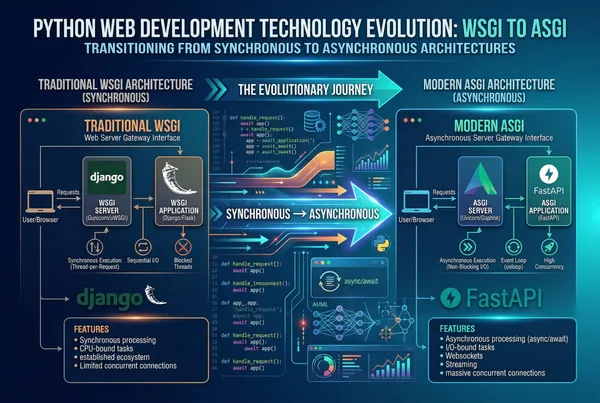
Explore how Python web development has transformed with the rise of async-first frameworks, AI model serving, and the shift from traditional WSGI to modern ASGI architecture.
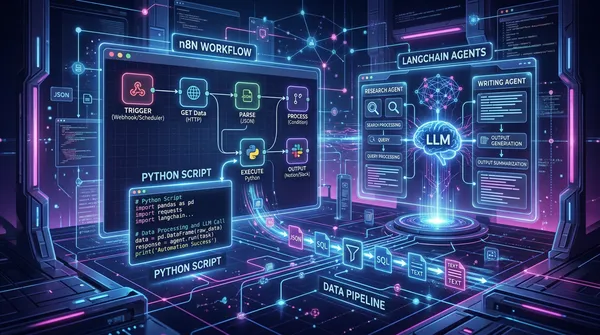
Discover the best Python libraries for AI workflow automation, including n8n, LangChain, Prefect, and more. Learn how to automate complex AI tasks with practical examples and integration strategies.
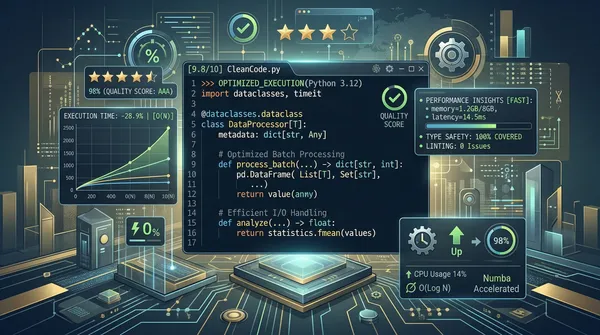
Essential Python best practices covering code quality standards, performance optimization, type hints, testing strategies, and modern development tools for professional Python developers.
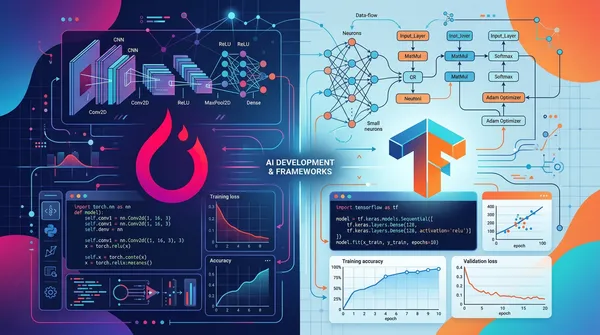
In-depth comparison of PyTorch and TensorFlow, analyzing performance, ease of use, deployment options, and helping you choose the right deep learning framework for your projects.
Master Python's asyncio library with key patterns for concurrent programming. Learn async/await fundamentals, event loop mechanics, and production-ready patterns that scale.
A practical comparison of GitHub Copilot and Cursor AI based on real developer experience. We tested both tools for six months to help you decide which AI coding assistant fits your workflow and budget.
A practical guide to Polars covering benchmarks, API comparisons, lazy evaluation, and when to migrate from Pandas. Includes real code examples and production patterns.

A comprehensive guide to building production-ready FastAPI applications. Learn project structure, dependency injection, error handling, middleware, CORS, rate limiting, health checks, and deployment configurations.
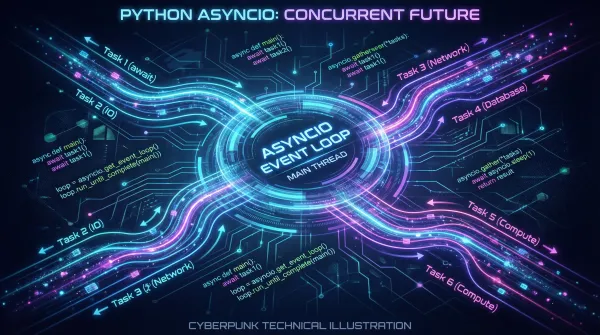
A comprehensive guide to Python asyncio covering core concepts, common pitfalls, performance optimization, and real-world patterns. Learn how to write production-ready async code.
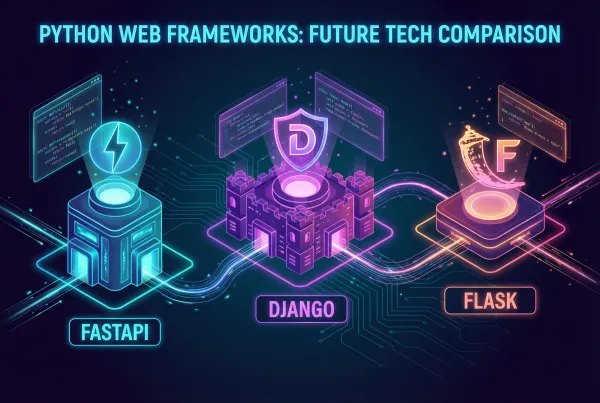
In-depth comparison of FastAPI, Django, and Flask, covering performance, architecture, and use cases to help you choose the right Python web framework.

In-depth comparison of 5 production-ready Python automation scripts, from email cleanup to data processing, helping you eliminate repetitive tasks and boost work efficiency by 10x. Includes complete code examples and performance analysis.

In-depth comparison of core data analysis tools like Pandas and NumPy, mastering the complete workflow from data cleaning to visualization, with practical code examples and modern best practices.
Comparing PyTorch and TensorFlow's real-world performance, analyzing why PyTorch has become the choice for many developers, from dynamic computation graphs and community ecosystem to performance optimization.
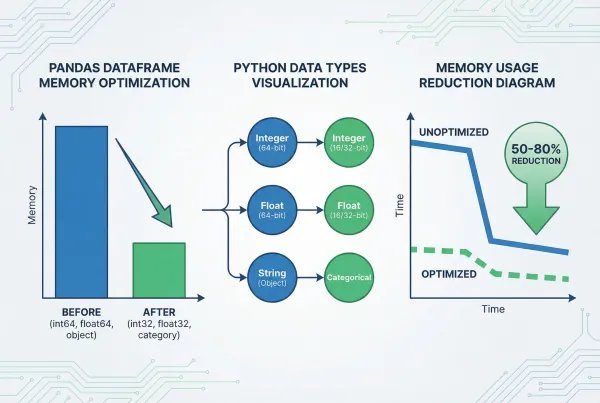
Master Pandas memory optimization with practical techniques. Reduce memory usage by 90%, process 10M-row datasets in seconds, and learn when to switch to Polars for massive workloads.

Master Pydantic v2 with this complete guide. Learn about new features, performance improvements, strict validation, and practical patterns for production applications.
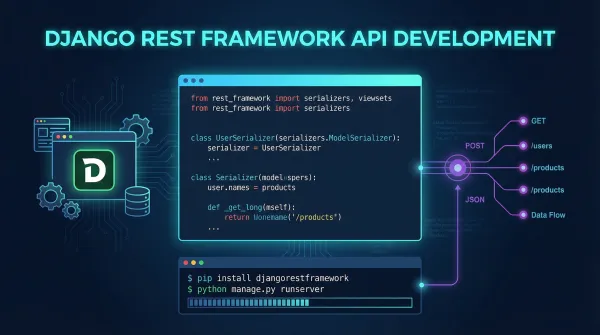
Learn how to build REST APIs with Django REST Framework. This tutorial covers serializers, views, authentication, permissions, and code examples for Python developers.
Learn how to combine Scrapy and Selenium for powerful web scraping automation. Extract data from static and dynamic websites with practical Python examples.
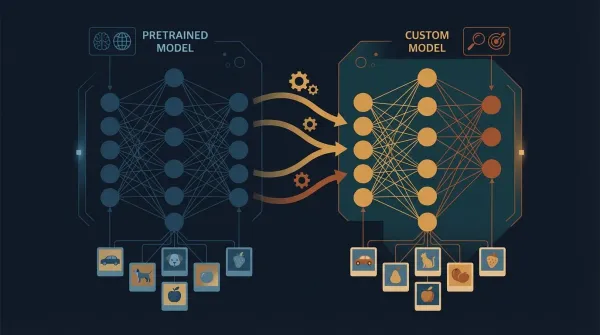
Learn how to use pretrained models like ResNet and EfficientNet to build custom image classifiers with PyTorch. Feature extraction, fine-tuning, and training best practices.

Master Git workflows for team collaboration. Learn branching strategies, commit conventions, code review processes, and automation for efficient development.
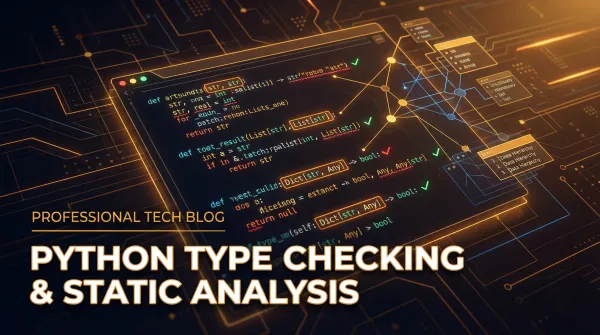
Learn how to use Python type hints and mypy to catch bugs early, improve code quality, and build maintainable Python applications with static type checking.
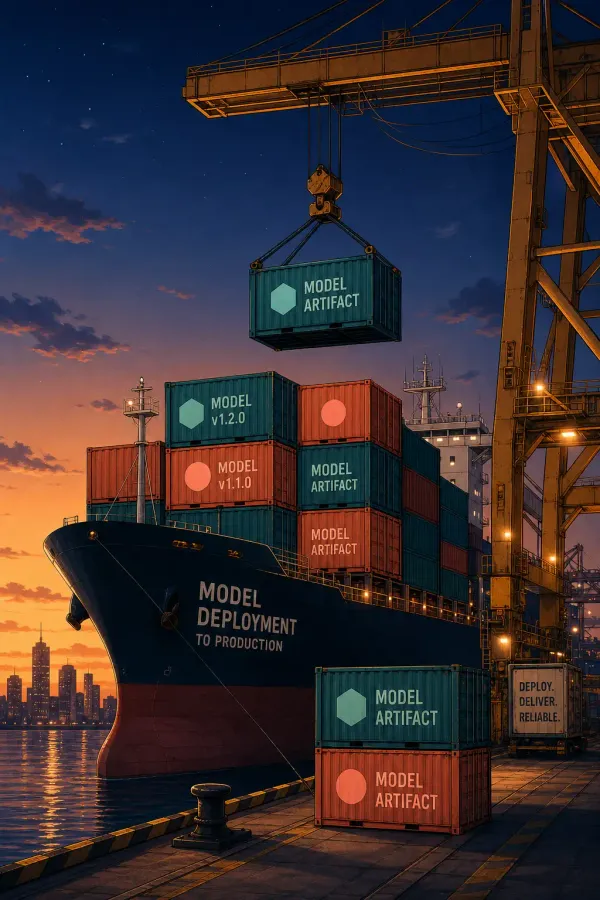
Deploy machine learning models to production with confidence. Learn containerization, API design, monitoring, scaling strategies, and best practices for reliable ML systems.
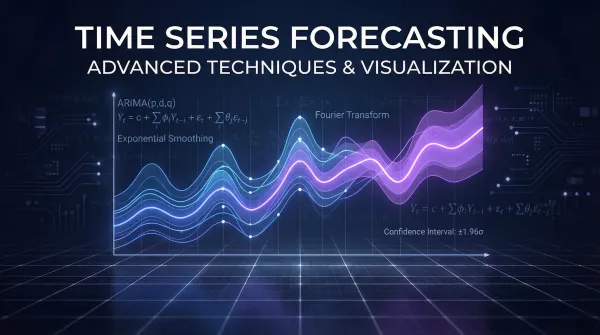
Learn how to build accurate time series forecasting models using Python's statsmodels library. Master ARIMA, SARIMA, and seasonal decomposition techniques.
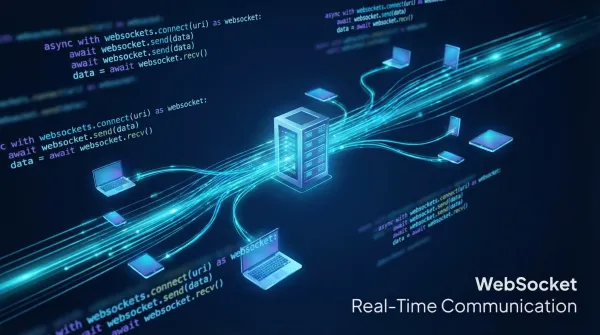
Learn to build production-ready real-time applications using FastAPI and WebSockets. Complete tutorial with code examples for chat apps and live dashboards.
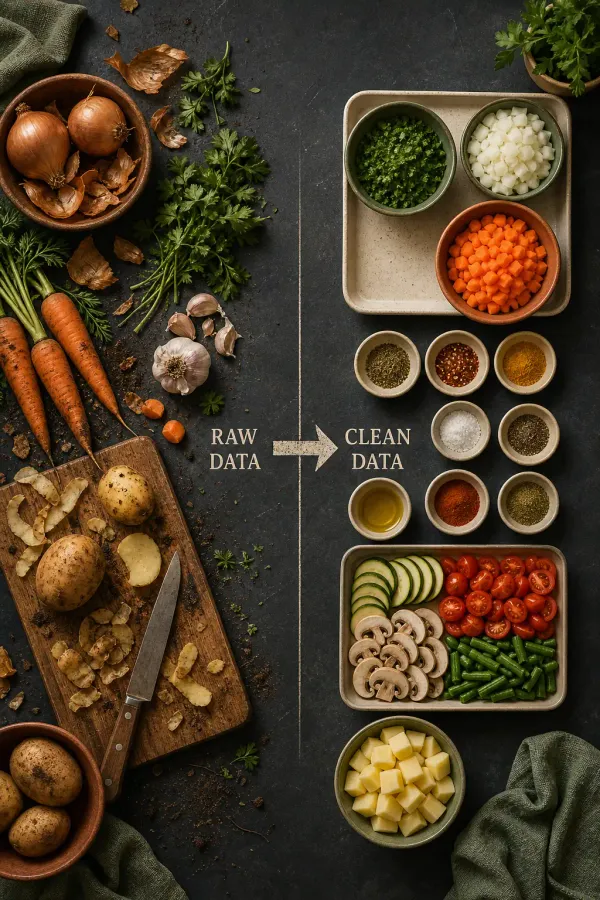
Master data preprocessing techniques with Python. Learn to handle missing values, encode categories, scale features, and prepare datasets for machine learning with practical examples.
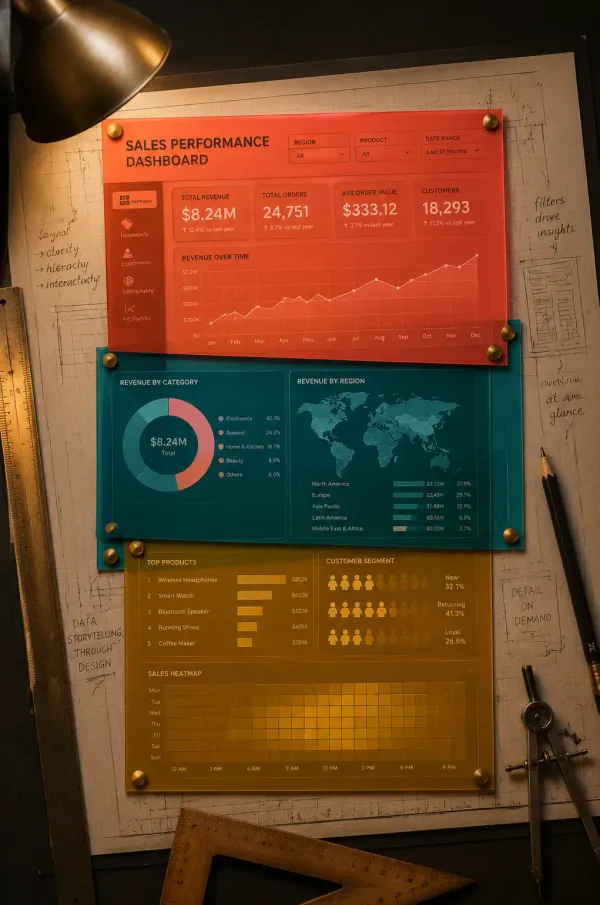
Learn how to create dynamic, web-based dashboards using Plotly Dash. This tutorial covers setup, callbacks, multi-page layouts, and deployment.
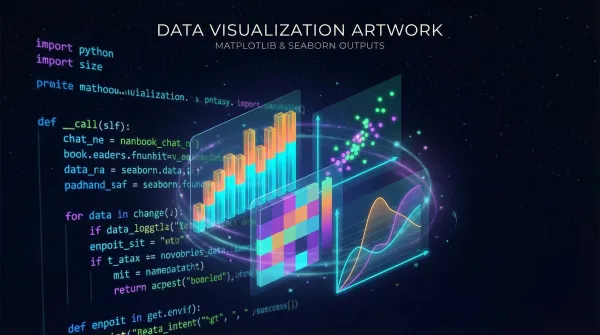
Learn how to create professional statistical visualizations in Python using Matplotlib and Seaborn. Step-by-step tutorial with real code examples.
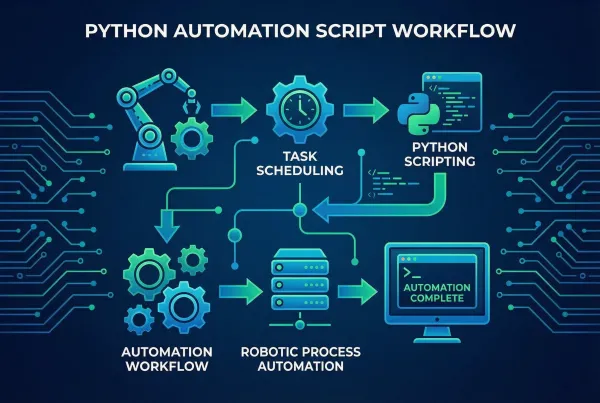
Learn how to automate repetitive tasks with Python. Covers file management, web scraping, data processing, scheduling, and building automation tools that save hours of manual work.
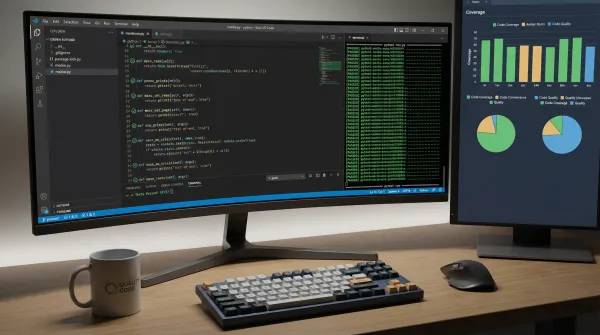
Master Python testing with pytest. Learn fixtures, parametrization, mocking, and CI integration through hands-on examples and proven strategies.
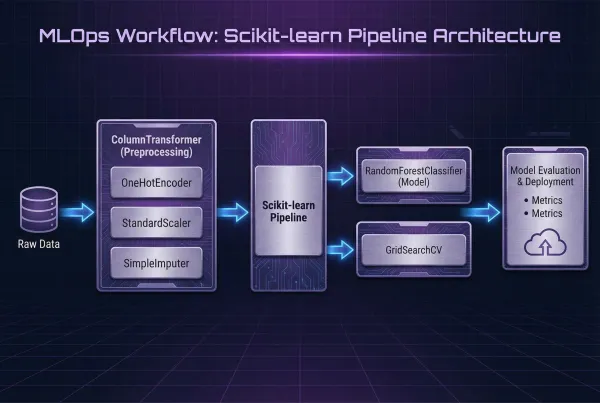
Learn how to build automated ML pipelines with scikit-learn. Covers pipeline design, feature engineering automation, model selection, and production deployment patterns.
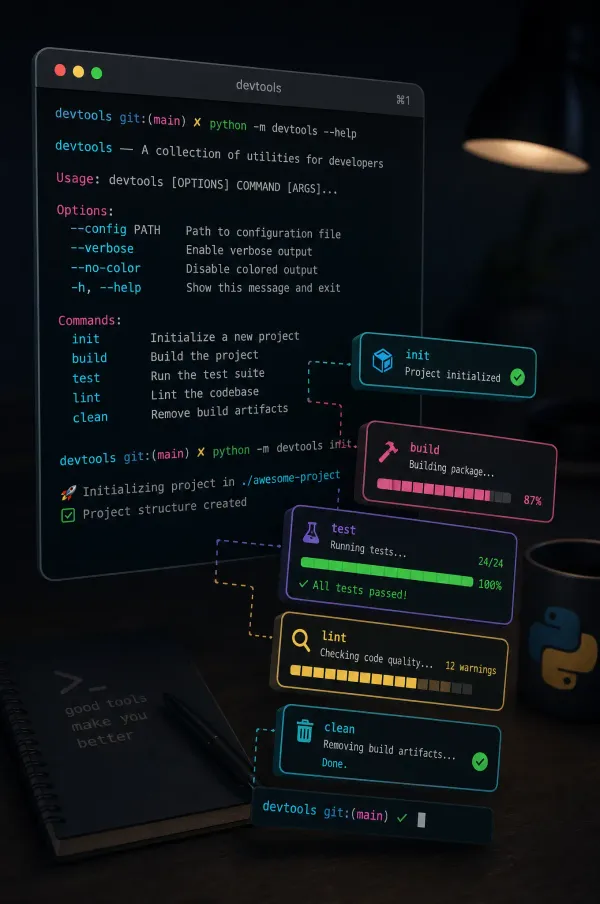
Learn to build professional command-line tools using Python's Click and Typer libraries with practical examples, best practices, and testing strategies.
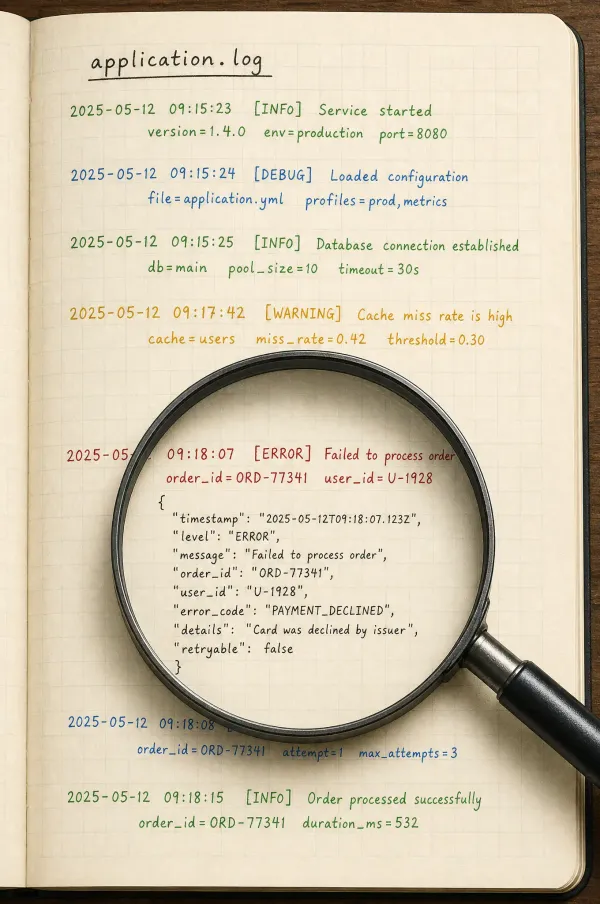
Master Python logging with practical examples covering configuration, structured JSON logs, web frameworks, and production monitoring.
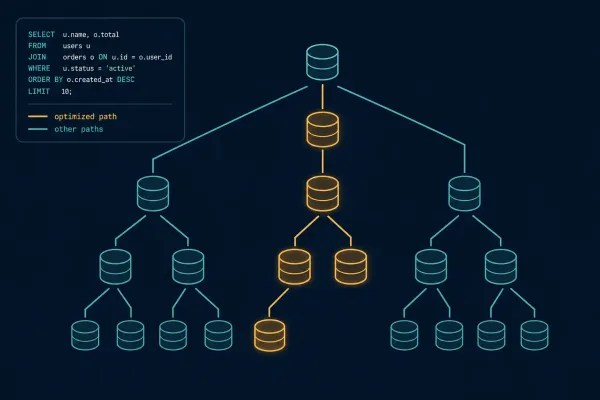
Learn how to optimize Django ORM queries by solving the N+1 problem, using select_related and prefetch_related, and implementing database indexing techniques.
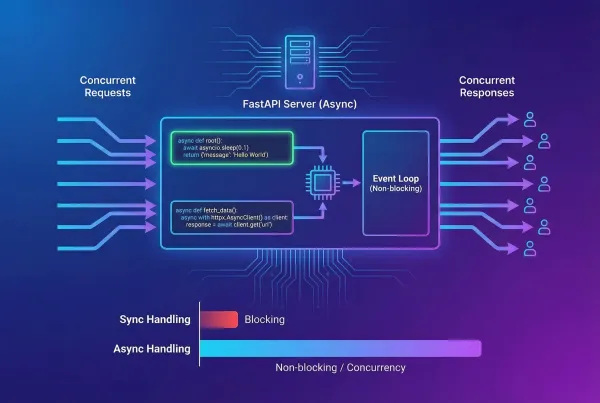
Learn how to build fast APIs with FastAPI's async capabilities. Covers async/await patterns, performance optimization, and real-world examples with 5-10x speed improvements.

Automate recurring tasks with Python scheduling libraries. Learn cron-like scheduling, background jobs, distributed task queues, and monitoring for reliable automation.
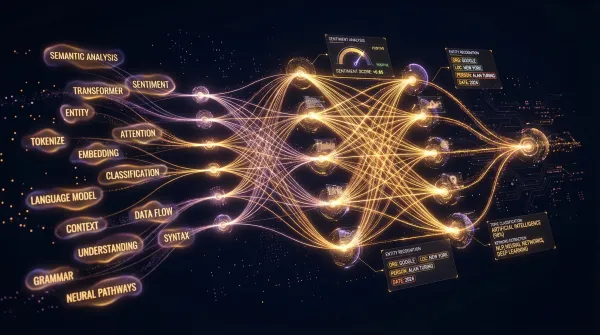
Learn how to combine spaCy's pipeline with Hugging Face transformers for text processing, named entity recognition, and sentiment analysis in production.

Learn how to structure large Flask applications using Blueprints and the Application Factory pattern. Step-by-step tutorial with code examples.
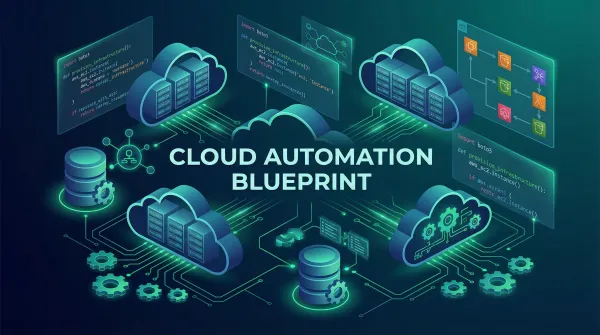
Learn how to manage EC2 instances, S3 storage, IAM users, and CloudWatch monitoring through Boto3. A hands-on tutorial with practical code examples.

Learn computer vision from scratch using OpenCV and Python. Master image processing, edge detection, face recognition, and real-time video analysis with practical code examples.