
Web Development
DEP 19 Is Approved. Quorum Still Counts Ghosts
Django's Steering Council and DSF Board passed DEP 19. The voting-membership bylaw still takes comments until October 7, because quorum is measured against people who do not vote.
Comprehensive tutorials on Django, Flask, FastAPI and other Python web frameworks. Learn to build scalable web applications with best practices and modern development techniques. Browse 34 curated articles covering web development with practical implementation detail.
FastAPI, Django, Flask, and modern Python web stacks
API design, async architecture, deployment, and scaling
Framework comparisons for new builds and migrations
Django's Steering Council and DSF Board passed DEP 19. The voting-membership bylaw still takes comments until October 7, because quorum is measured against people who do not vote.

Cloudflare's Sep 21 post: Python Workers are generally available. FastAPI and Django run through ASGI/WSGI. Bindings dropped the to_js glue. Hyperdrive talks SQL.

Real Python's September 11 podcast recaps 3,500 Django developers: 54% ship monoliths, 43% on 6.0. A September 12 benchmark post still wants you to switch.

Real Python's September 9 tutorial measures 68ms to 32ms on --help with five lazy keywords. PEP 810 is explicit. Plugin registration at import time still has to stay eager.
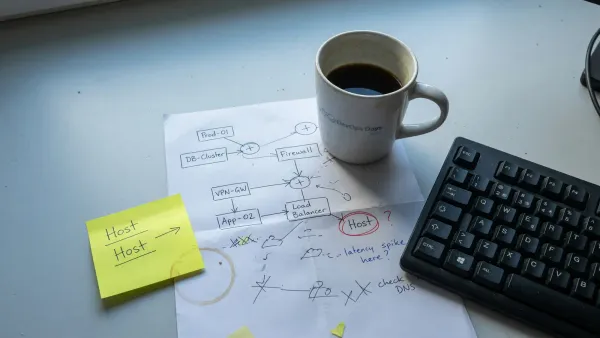
CVE-2026-48710 tricks request.url via a malformed Host header. CISA listed it September 2. What to patch, what to log, what pip will not fix.
HTMX lets you build interactive web interfaces with Python backends and zero JavaScript. Here's how it works, when to use it, and why Python developers are paying attention.
From FastAPI's continued dominance to Python 3.15's performance gains, here's what Python web developers need to know right now.

The Python web framework landscape has shifted. FastAPI now dominates new projects, Django remains the full-stack workhorse, and Flask serves a narrower role. Here's how to choose.
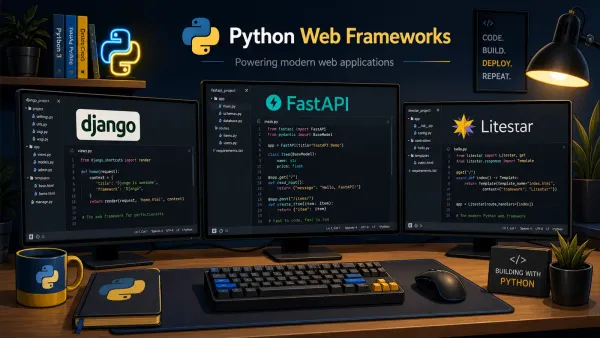
From Django's dominance to FastAPI's async revolution and Django Bolt's performance claims, here's where every Python web framework stands in 2026.
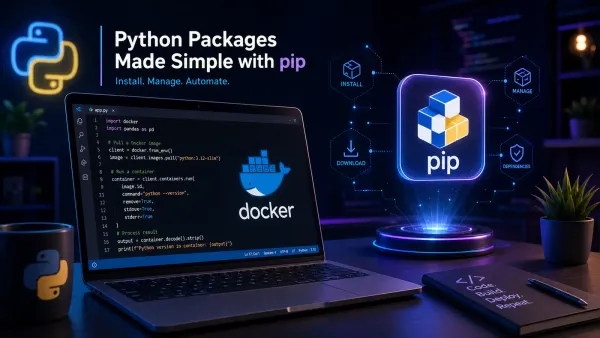
pip 26.2 is adding a flag that lets you install dependencies without the project itself. Here's why this matters for Docker builds, CI pipelines, and every Python web app you deploy.
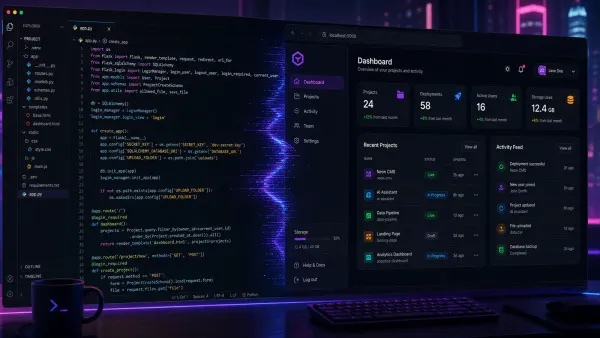
The pendulum is swinging back toward server-rendered HTML, and Python developers are in a good position to benefit. HTMX and Alpine.js let you build interactive web apps using mostly Python, with JavaScript only where it's actually needed.
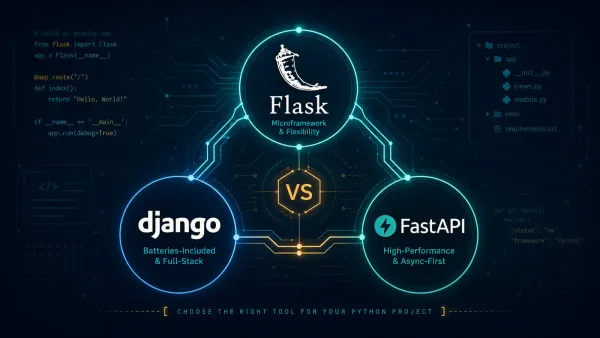
FastAPI's dominance is being challenged by a new generation of async Python frameworks. Litestar has matured into a production-ready alternative, Django-Ninja brings async to Django, and the benchmarks tell a surprising story.
Litestar has quietly become one of the most compelling Python web frameworks of 2026. With first-class SQLAlchemy support, a built-in repository pattern, and a plugin ecosystem that actually works, it's the framework FastAPI users graduate to when they need more structure.

FastAPI has quietly become the default choice for new Python web projects in 2026. A look at why Flask loyalists are making the switch, and when Django still makes sense.
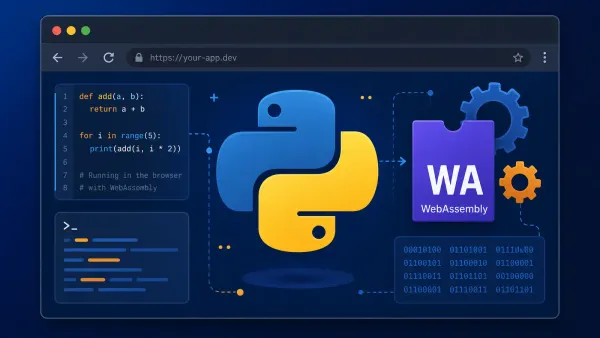
Wasm 3.0, WASI 0.3.0, and tools like micropython-wasm have turned browser-based Python from a novelty into a production option. Here's what actually works and when you should use it.
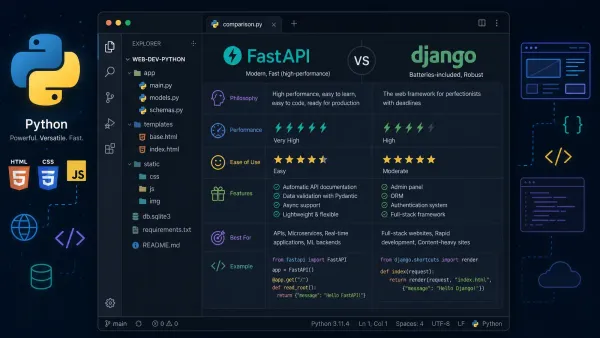
Both frameworks are excellent. The right choice depends on your project scope, team size, and performance requirements. Here's how to decide.
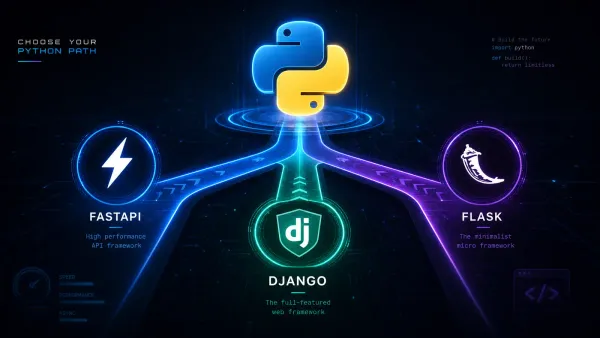
Choosing the right Python backend framework in 2026 means balancing async performance, developer experience, and ecosystem maturity. Here's how FastAPI, Django, and Flask stack up for different project types.
A comparison of Python ASGI servers in 2026, covering Uvicorn, Hypercorn, and the evolving landscape of async Python web serving.
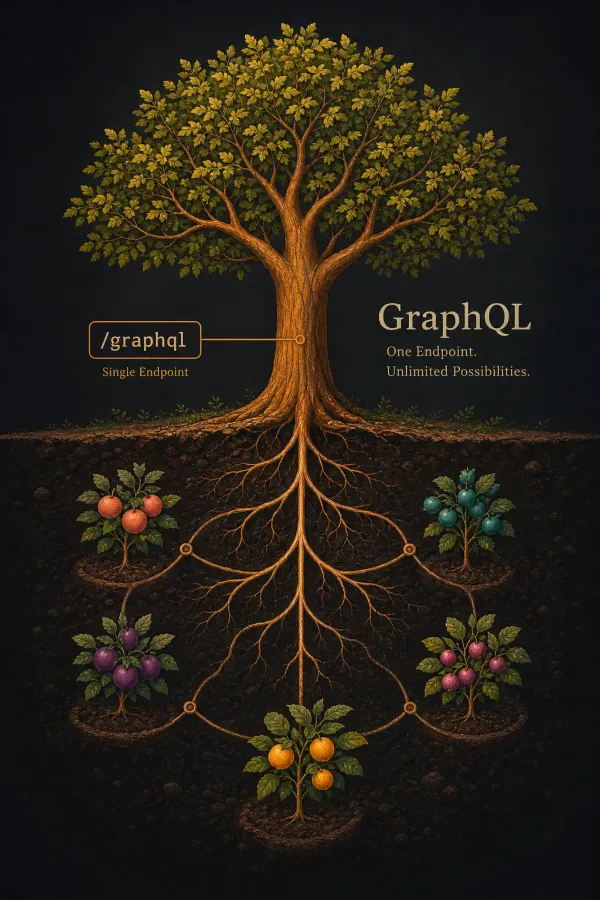
A candid assessment of GraphQL for Python backends using Strawberry, weighing the developer experience benefits against the operational complexity costs.

How Django teams are using HTMX to build reactive interfaces without React, reducing frontend complexity while keeping the developer experience Python-native.

A practical guide to building real-time applications with FastAPI WebSockets, covering connection management, horizontal scaling with Redis pub/sub, and production deployment patterns.

How Lit 3.0's SSR capabilities combined with Python backends are changing the web component landscape. A practical look at rendering web components server-side without a Node.js runtime.
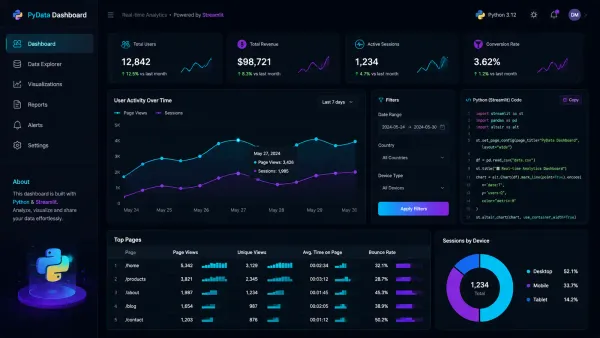
Streamlit has evolved from a simple data app framework into a production tool with multipage layouts, session state management, and custom components. Here's what you need to know to build fast, useful data applications in 2026.
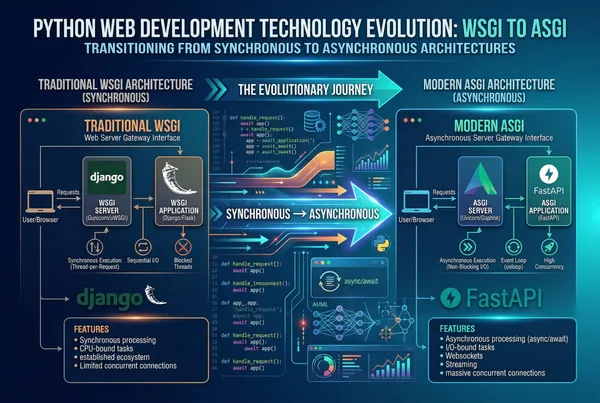
Explore how Python web development has transformed with the rise of async-first frameworks, AI model serving, and the shift from traditional WSGI to modern ASGI architecture.
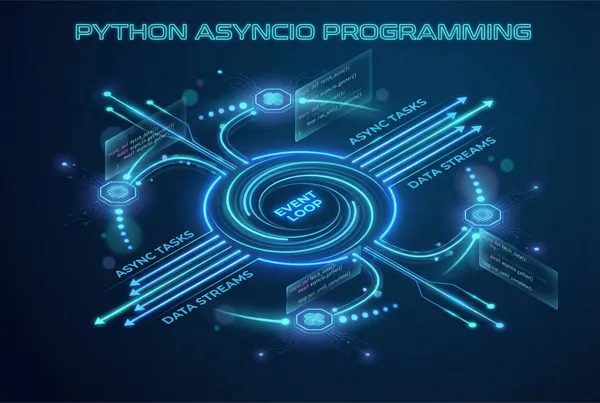
Master Python's asyncio library with key patterns for concurrent programming. Learn async/await fundamentals, event loop mechanics, and production-ready patterns that scale.

A comprehensive guide to building production-ready FastAPI applications. Learn project structure, dependency injection, error handling, middleware, CORS, rate limiting, health checks, and deployment configurations.
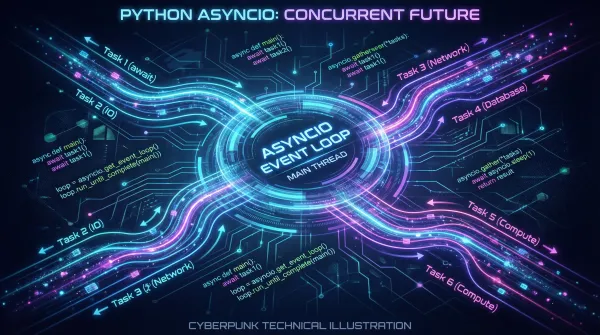
A comprehensive guide to Python asyncio covering core concepts, common pitfalls, performance optimization, and real-world patterns. Learn how to write production-ready async code.
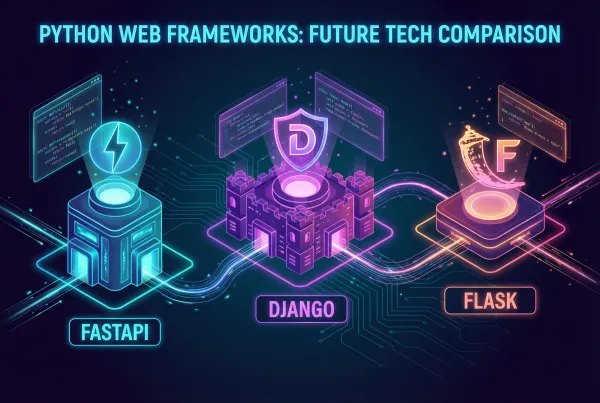
In-depth comparison of FastAPI, Django, and Flask, covering performance, architecture, and use cases to help you choose the right Python web framework.

Master Pydantic v2 with this complete guide. Learn about new features, performance improvements, strict validation, and practical patterns for production applications.
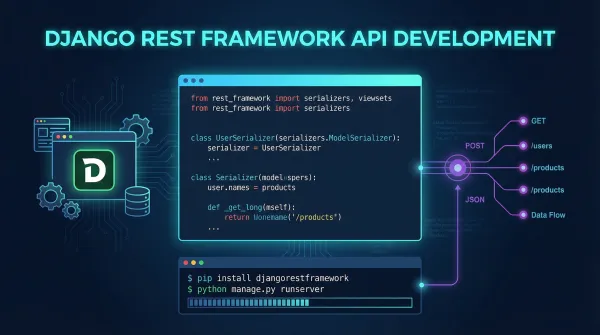
Learn how to build REST APIs with Django REST Framework. This tutorial covers serializers, views, authentication, permissions, and code examples for Python developers.

Learn to build production-ready real-time applications using FastAPI and WebSockets. Complete tutorial with code examples for chat apps and live dashboards.
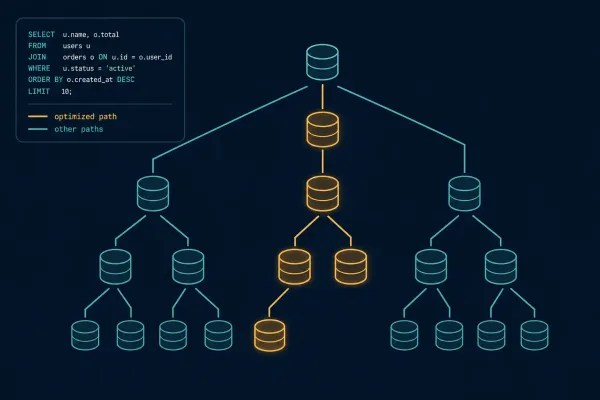
Learn how to optimize Django ORM queries by solving the N+1 problem, using select_related and prefetch_related, and implementing database indexing techniques.
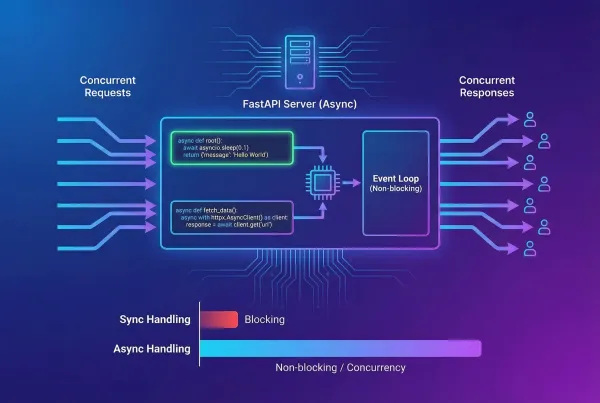
Learn how to build fast APIs with FastAPI's async capabilities. Covers async/await patterns, performance optimization, and real-world examples with 5-10x speed improvements.
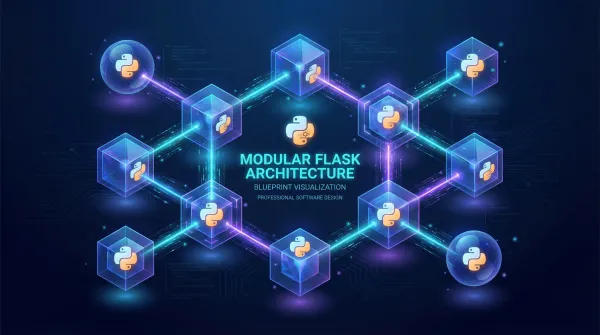
Learn how to structure large Flask applications using Blueprints and the Application Factory pattern. Step-by-step tutorial with code examples.