Automation
uv 0.12.18 Fixed a Wheel Path. pip Did Not Grow --check
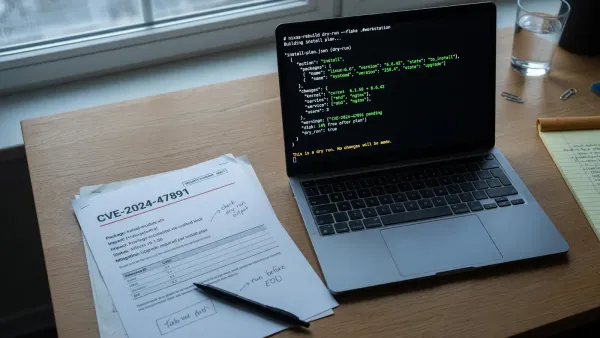
Nesbitt’s September 26 package-management week: GHSA-2cv4-cqwr-gwf7 on Windows wheels, plus --check and JSON for uv pip install. Poetry 2.5 stopped calling pip to uninstall.
Automate repetitive tasks with Python scripting, task scheduling, and tool development. Learn web scraping, file processing, and workflow automation techniques. Browse 40 curated articles covering automation with practical implementation detail.
Task automation, orchestration, scraping, and workflow tooling
Python scripts that eliminate manual busywork
Operational patterns for scheduled jobs and AI automation
Nesbitt’s September 26 package-management week: GHSA-2cv4-cqwr-gwf7 on Windows wheels, plus --check and JSON for uv pip install. Poetry 2.5 stopped calling pip to uninstall.
PyPI took playwright-1.63.0 on September 15. The manylinux wheel is 48.2MB and Trusted Publishing is No. Reproducible builds are still a Brett Cannon essay.
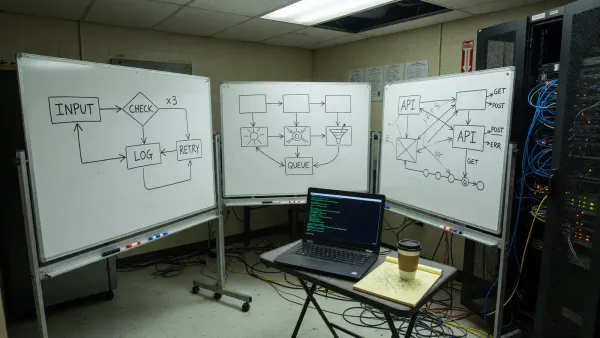
Prefect 3.8.5 shipped September 3 with jittered retries. Airflow is on 3.3.1 with multi-language tasks. The July acquisition did not merge the mental models.
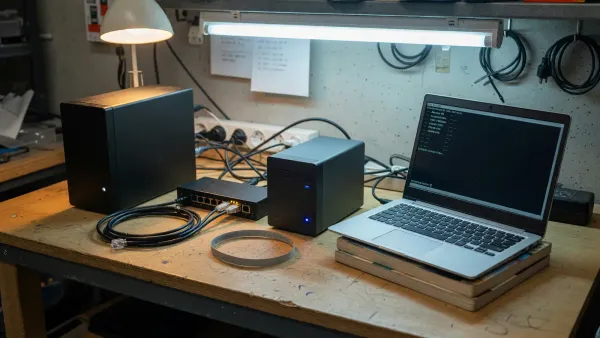
IFA 2026's Personal AI Router spreads Ollama and Hermes jobs across idle PCs. Here is how to use it as automation infrastructure, and what not to install.
A hands-on guide to managing application configuration in Python projects using pydantic-settings, Dynaconf, and environment-aware secrets management for 2026.
Build a Python system that pulls data from databases or APIs, generates formatted reports, and sends them on a schedule without manual intervention.
Playwright has become the default for new browser automation projects, but Selenium still has a place. And a new AI-powered library called Browser Use is changing the game entirely.
Shell out to system commands, run them concurrently, and handle failures gracefully using Python's subprocess and asyncio modules together.

Four tools, four philosophies, one problem: running complex multi-step workflows reliably. Here's how to pick the right orchestrator for your Python project.
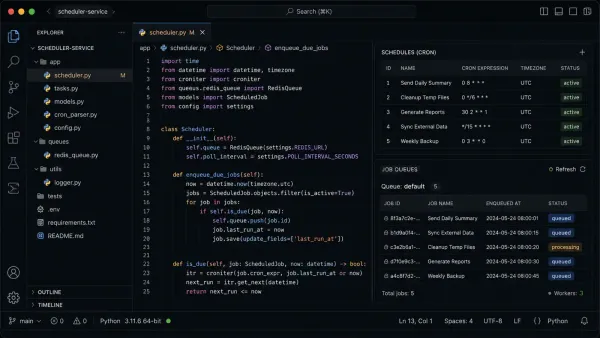
Five ways to schedule recurring tasks in Python, from a 50-line script to a distributed task queue. Here is how each one works, when to use it, and where it breaks.
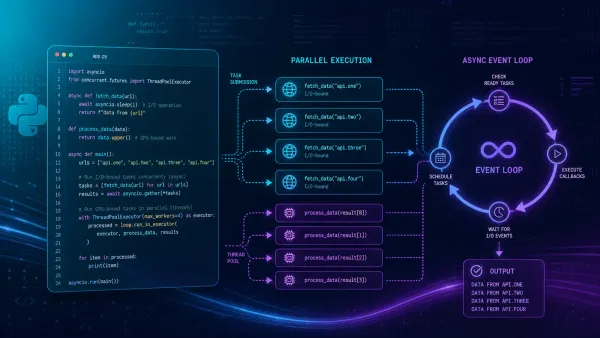
Python's asyncio and the new free-threaded build used to operate in separate universes. In 2026, they're starting to work together, and that changes what's possible for background tasks, file watchers, and concurrent automation scripts.

Your Downloads folder doesn't have to be a disaster zone. With Python's pathlib module and the watchfiles library, you can build file automation scripts that sort, clean, and sync directories automatically — no cron or Task Scheduler required.
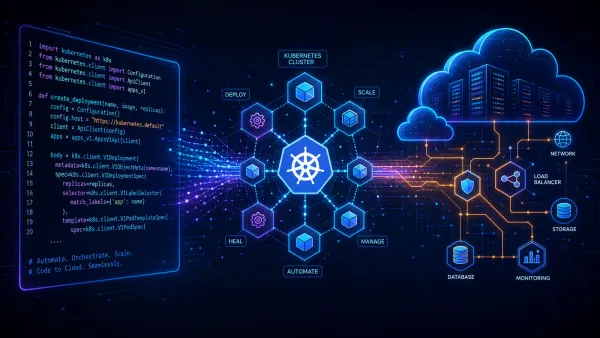
Python isn't just for data science and web APIs. In 2026, it's the quiet backbone of cloud-native automation — from Kubernetes operators written in pure Python to GitOps pipelines and infrastructure-as-code tooling. Here's the complete landscape and how to put it to work.

Python 3.14's free-threaded builds finally let you run truly parallel automation workloads — web scraping, file processing, and background jobs — using threads instead of multiprocessing. Here's what works, what breaks, and how to get started.
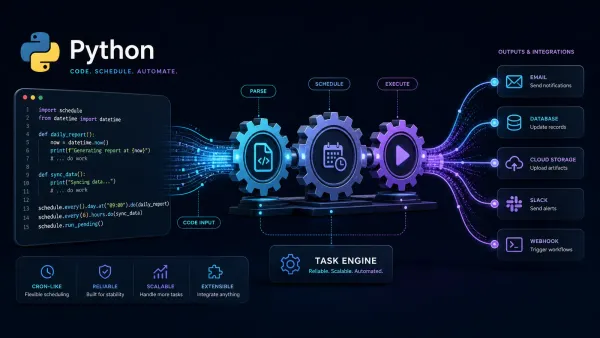
Cron got you through the last decade, but Python's scheduling ecosystem has evolved. Here's when to upgrade from crontab to APScheduler, Celery, or a full workflow orchestrator like Prefect.
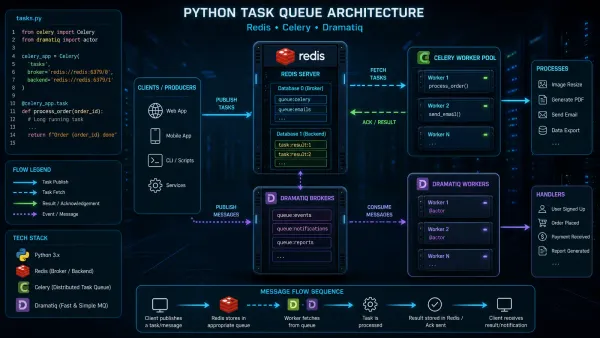
A practical comparison of Python's top task queue libraries — Celery, Dramatiq, and Taskiq — with code examples, benchmarks, and a decision framework to help you choose the right tool for async background jobs.
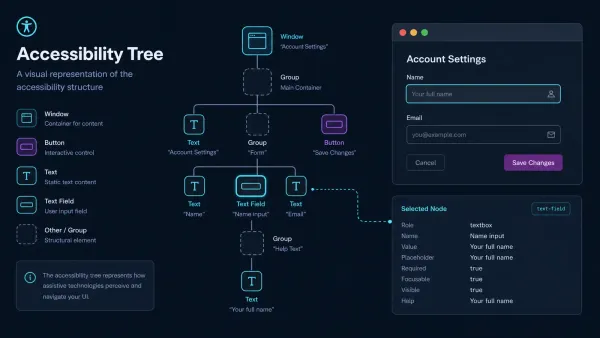
Move past pixel-based screen scraping and browser-only automation. Learn how xa11y lets you drive any desktop app on macOS, Windows, or Linux using the native accessibility tree — with Python bindings and CSS-like selectors.
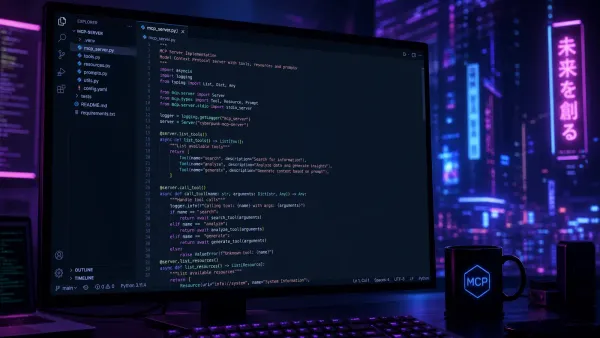
Learn how to build a Model Context Protocol (MCP) server in Python from scratch. This tutorial covers tools, resources, prompts, and connecting AI agents to your own data sources.
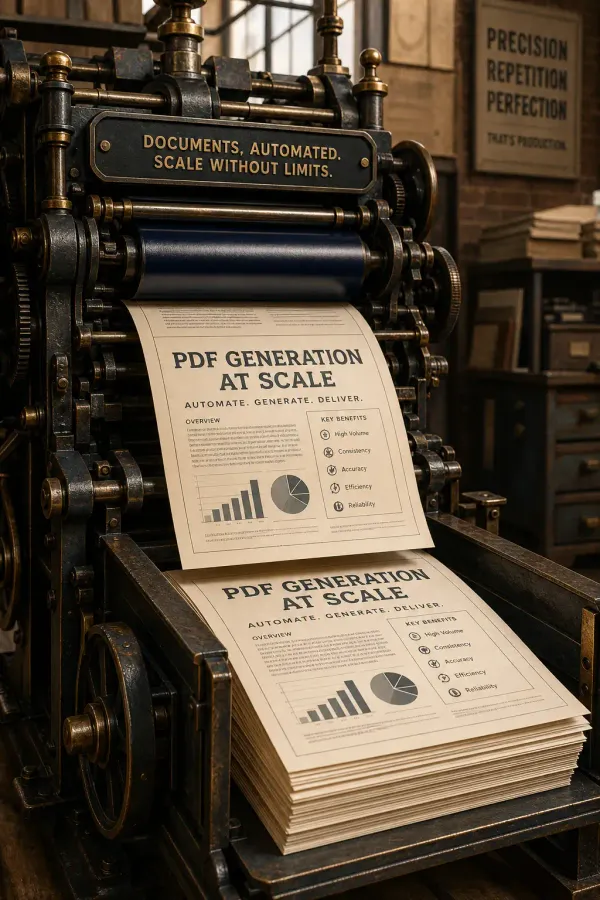
A guide to programmatic PDF generation and manipulation in Python, covering pikepdf for editing, ReportLab for creation, and patterns for document automation at scale.

How Python teams are replacing cron-based batch processing with event-driven architectures using Celery, Redis Streams, and message queues.

How Python teams are standardizing CI/CD across repositories with reusable GitHub Actions workflows, cutting maintenance overhead and improving security.

How Python developers are using Pulumi to manage cloud infrastructure with real programming constructs instead of YAML templates.
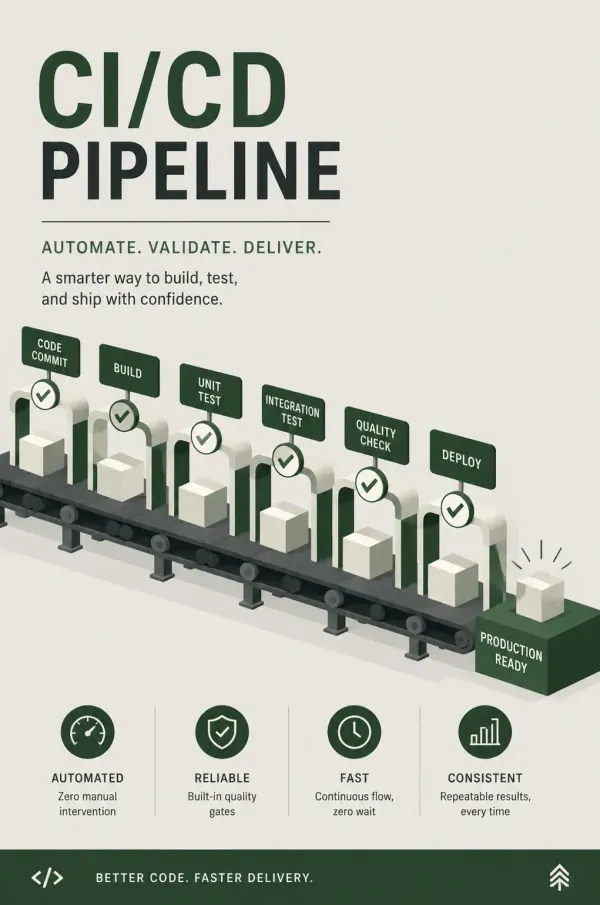
A guide to building Python CI/CD pipelines that run in under 2 minutes using pre-commit, ruff, and incremental testing strategies that only check changed code.

Learn how to use Pydantic AI's provider-side MCPServerTool with OpenAI Responses, Anthropic, and xAI. Configure auth, allowed tools, connectors, and know when to choose it over MCPServer or FastMCPToolset.
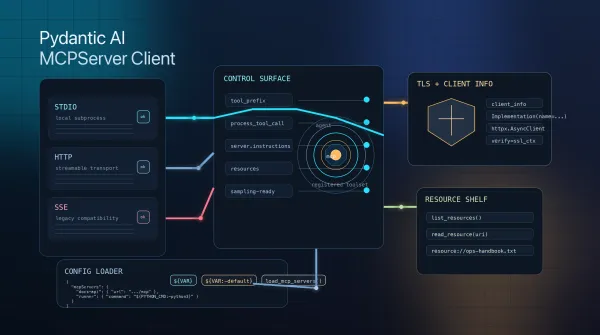
Learn how to use Pydantic AI's standard MCPServer clients: MCPServerStdio, MCPServerStreamableHTTP, and MCPServerSSE. Load multi-server configs, use tool prefixes, read resources, customize TLS, and identify your client cleanly.
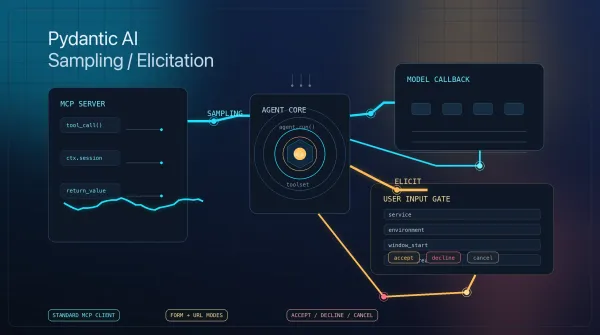
Learn how to enable MCP sampling and elicitation in Pydantic AI with MCPServerStdio and related MCPServer clients. Build callback-driven workflows, set a sampling model correctly, and avoid the FastMCPToolset trap for interactive MCP features.
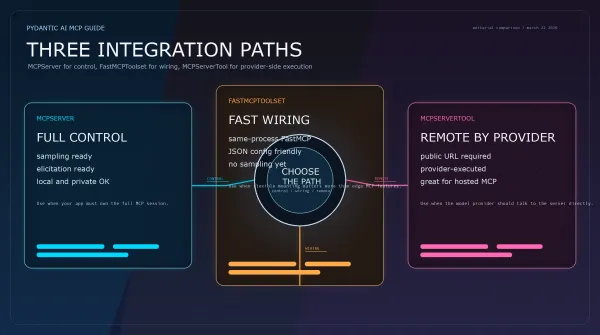
Compare Pydantic AI's three MCP integration paths: MCPServer, FastMCPToolset, and MCPServerTool. Learn when to use agent-side MCP clients, FastMCP extras, or provider-side remote MCP execution.
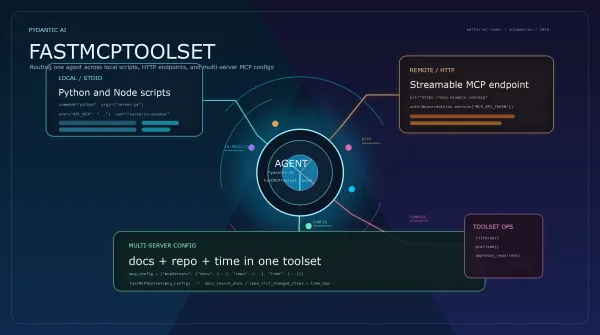
Learn how to connect a Pydantic AI agent to local and remote MCP servers with FastMCPToolset. Wrap FastMCP instances, Python scripts, Streamable HTTP endpoints, and multi-server MCP configs with clean tool naming.
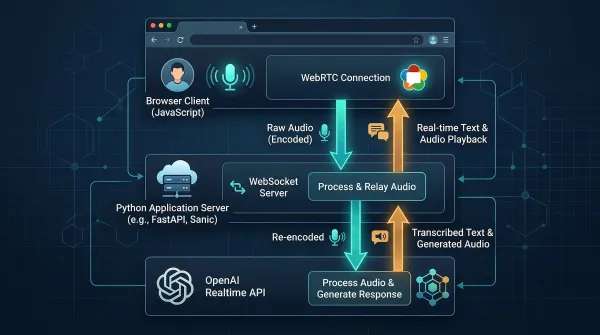
Learn how to use the OpenAI Realtime API in Python with WebSocket. Send text and audio events, stream responses, mint ephemeral browser tokens, and choose WebSocket or WebRTC.
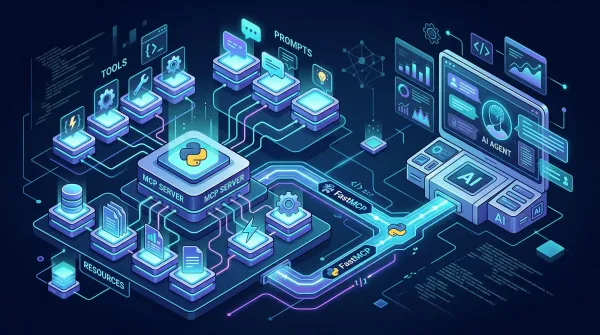
Learn how to build a Python MCP server with FastMCP. Create tools, resources, prompts, and a Streamable HTTP endpoint, then connect it from a Pydantic AI agent.
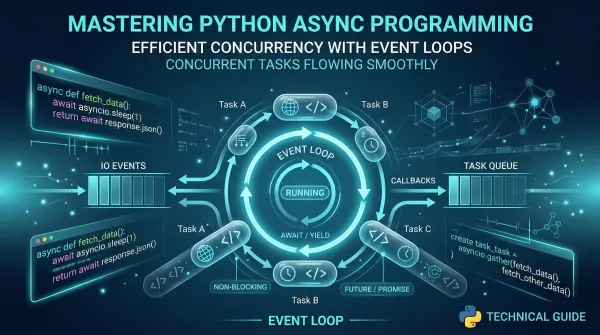
Master Python's asyncio library with this guide. Learn async/await fundamentals, performance patterns, and real-world examples. Transform slow I/O operations into fast concurrent code.

Explore how Python automation has evolved with modern workflow orchestration tools like Prefect, Airflow, and Dagster. Learn about AI-driven automation, enterprise requirements, and choosing the right tools for your automation needs.
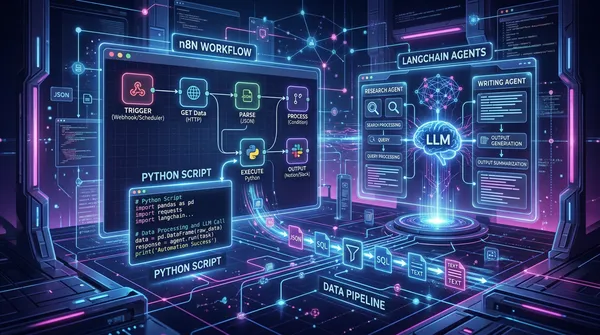
Discover the best Python libraries for AI workflow automation, including n8n, LangChain, Prefect, and more. Learn how to automate complex AI tasks with practical examples and integration strategies.
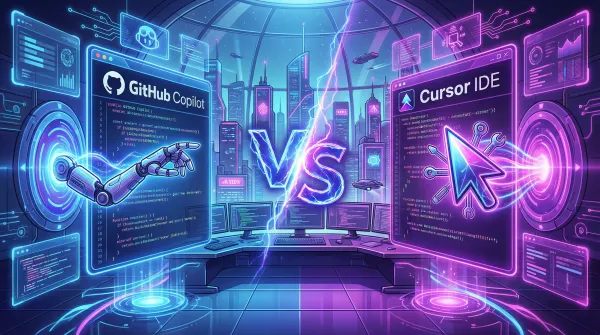
A practical comparison of GitHub Copilot and Cursor AI based on real developer experience. We tested both tools for six months to help you decide which AI coding assistant fits your workflow and budget.

In-depth comparison of 5 production-ready Python automation scripts, from email cleanup to data processing, helping you eliminate repetitive tasks and boost work efficiency by 10x. Includes complete code examples and performance analysis.
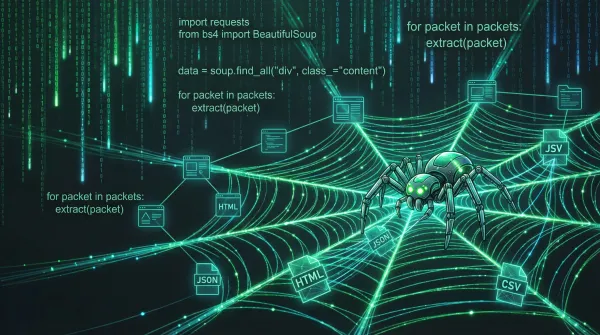
Learn how to combine Scrapy and Selenium for powerful web scraping automation. Extract data from static and dynamic websites with practical Python examples.
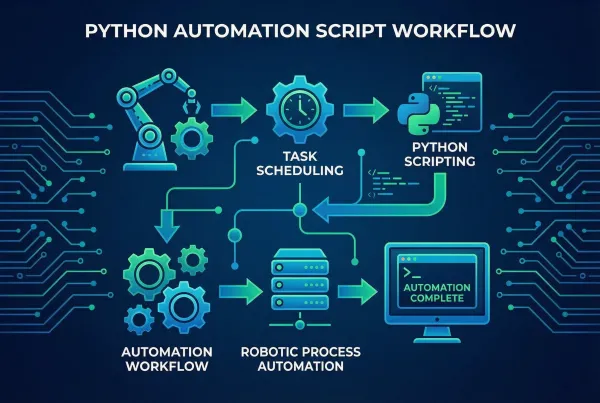
Learn how to automate repetitive tasks with Python. Covers file management, web scraping, data processing, scheduling, and building automation tools that save hours of manual work.
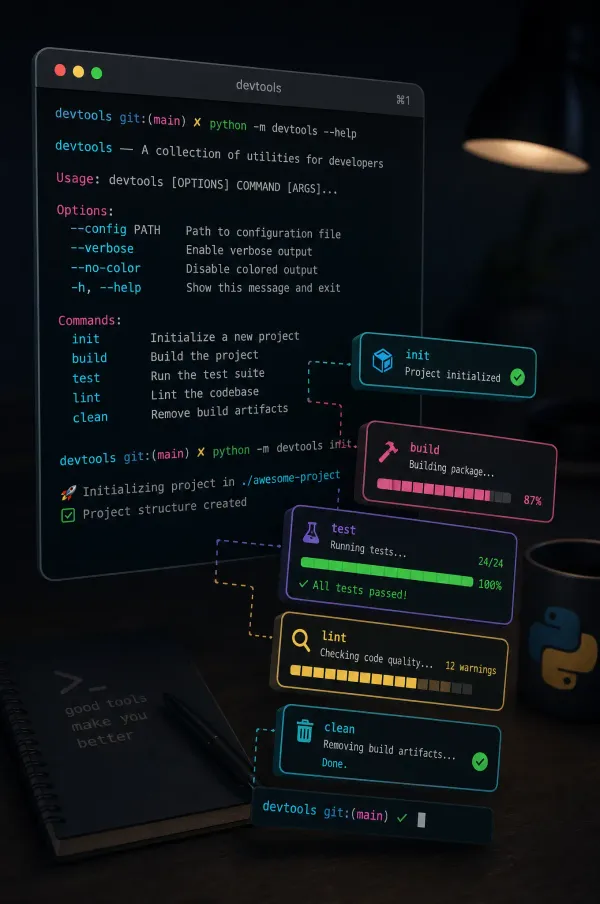
Learn to build professional command-line tools using Python's Click and Typer libraries with practical examples, best practices, and testing strategies.

Automate recurring tasks with Python scheduling libraries. Learn cron-like scheduling, background jobs, distributed task queues, and monitoring for reliable automation.
Learn how to manage EC2 instances, S3 storage, IAM users, and CloudWatch monitoring through Boto3. A hands-on tutorial with practical code examples.